 En
En
Perforated metal sheet certified company for durability
When durability is non-negotiable, the supplier behind your perforated metal sheets matters just as much as the material itself. A poorly manufactured sheet can lead to corrosion, structural failure, and costly project delays. But how do you separate reliable manufacturers from middlemen or low-quality fabricators?
Based on hands-on experience sourcing perforated metal for industrial and architectural projects, here is a practical breakdown of what "certified durability" really means and how to evaluate a supplier against it.
1. Verify In-House Production Capacity, Not Just Trading Claims
A common pitfall is partnering with a company that outsources its punching, cutting, and welding. Every external step adds variability in quality control and schedule slippage.
What to check:
Does the supplier own punching machines, turret punch presses, laser cutters, and welding equipment?Can they handle all processes in-house—from raw coil to finished panel?
Hengai Metal operates as a true terminal factory. They run a complete production line including perforation, cutting, bending, and welding. This full-control approach pays off in measurable ways: their product dimensions hold tighter tolerances, and quality traceability is straightforward. When a batch needs inspection, the records go back to a single source.
Operational advice: Always ask for a list of production equipment by brand and model. If possible, schedule a video walkthrough or factory audit. A supplier that hesitates here often relies on subcontracted capacity.
2. Push for Multi-Material Expertise to Match Your Environment
Durability is not a single property. A sheet that lasts outdoors may fail in a chemical plant or a coastal marine environment. The best suppliers don't just sell sheets; they recommend the right metal for your specific corrosion and wear conditions.
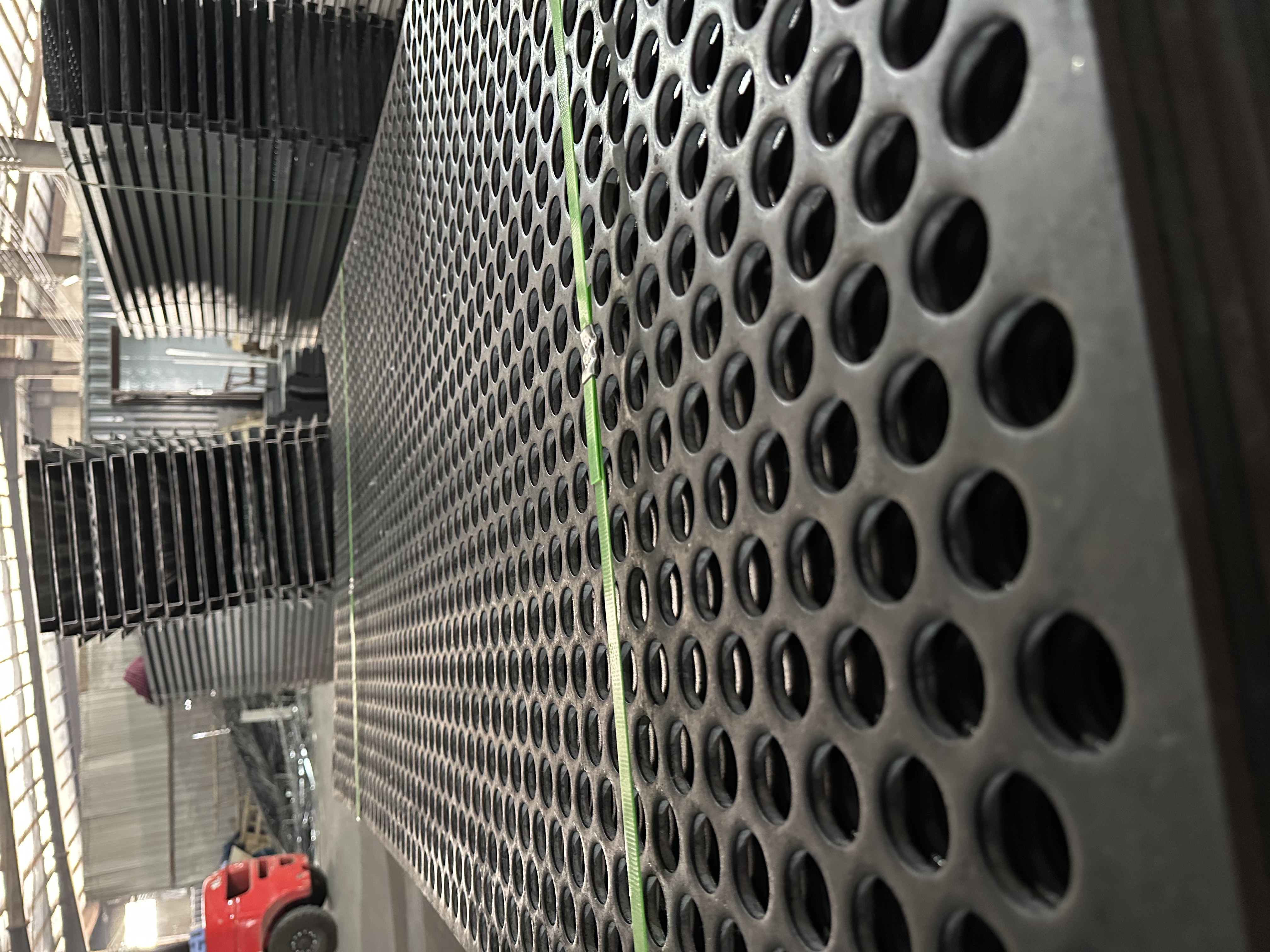
Certified durability starts with material selection. A competent manufacturer should comfortably handle:
Stainless steel (304, 316) for corrosion resistanceAluminum for lightweight and natural oxide protection
Galvanized steel and carbon steel for structural and industrial use
Copper, titanium, and other alloys for specialized roles
Hengai Metal routinely produces from these materials and offers surface treatments such as galvanizing, powder coating, anodizing, and passivation. This helps protect the sheet from the inside out, extending service life in saltwater, high-humidity, or UV-heavy environments.
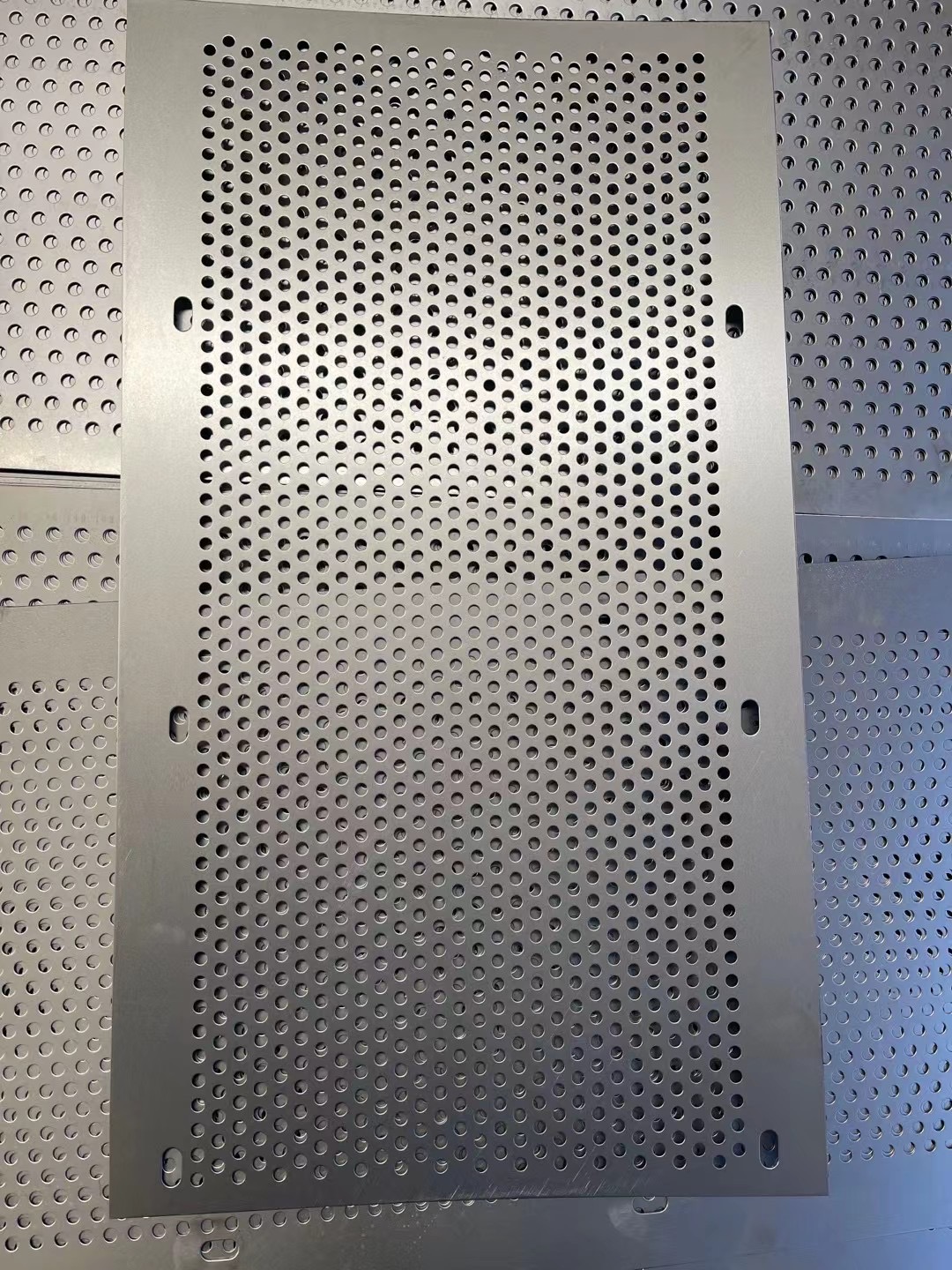
Operational advice: Do not order "stainless steel" without specifying the grade. Ask the supplier to recommend a grade based on your exposure conditions, and ask for a written rationale. A supplier that asks about your end-use environment is showing durability-focused expertise.
3. Require Custom Hole Patterns That Serve Function, Not Just Looks
The perforation pattern directly affects strength, airflow, filtration efficiency, and structural integrity. A generic pattern may look fine but could cause stress concentration points that crack under load.
Certified durability companies offer adjustable tooling for:
Round, square, slotted, hexagonal, and micro holesCustom spacing, staggered rows, and variable open areas
Non-standard patterns from customer drawings or samples
For example, in mining screens, the wrong aperture size leads to premature wear and clogging. For architectural facades, the open area ratio controls wind load and thermal expansion. Hengai Metal has supported clients requiring custom patterns for these exact scenarios. They produce screens for mining and filtering that balance throughput against long-term wear.
Operational advice: Send your drawing, but also ask the supplier for feedback on hole-to-material thickness ratios. If they don't bring this up, they're likely just a punching service, not an engineering partner. By optimizing the pattern early, you prevent sheet fatigue and premature cracking.
4. Audit Deep-Processing Capabilities for Seamless Integration
Many projects don't just need a flat panel. You may require a bent form, a welded filter drum, or a ventilation hood. When punching, bending, and welding happen at different vendors, the finished part often suffers from misalignment and weak joints—the beginning of early durability failure.
In-house deep processing is integral to durability for finished components. Hengai Metal has built its workflow to include folding and welding right after stamping. This produced a commercial façade panel where the curves matched the architectural drawings exactly, reducing installation stress on the mounting frame. In another case, a food processing client needed filter drums with smooth, hygienic welds. Because it was all completed in a single continuous workflow, the parts passed sanitation inspections and corrosion tests without rework.
Operational advice: If your application is a housing, filter, or guard, source from a supplier that can press, bend, and weld in-house. This minimizes weak points and eliminates tolerance drift between process steps. Ensure the supplier has a welding quality system in place for structural applications.
5. Scrutinize Their Approach to Small Orders and New Projects
Durability is also proven in the development process. A prototype that is rushed or made with skip-step processes will never reveal long-term flaws. A good supplier treats your first small order as the blueprint for mass production.
Hengai Metal supports pre-production samples before batch orders. This reduces risk for you, the buyer. One client started with just dozens of trial parts. Hengai Metal produced samples that matched the exact-grade stainless steel and hole pattern requested, which allowed the client to run field tests. The trial's success led to multi-thousand-unit orders, and the client locked them into a long-term supply agreement for the project's duration.
Operational advice: Never place a large order without a pre-production sample, especially for critical applications. Confirm the supplier views this as a standard step, not a special favor. The sample will reveal their attention to edge finishing, burr removal, and flatness that are so crucial to final durability.
6. Demand Transparent Pricing to Protect Material Quality
When a price seems too good to be true, the savings often come from using thinner gauge metal, a lower grade of steel, or skipping anti-corrosion treatments. These compromises drastically reduce the lifespan of your installation.
As a factory operating without middlemen, Hengai Metal saves customers from the typical markup of distribution chains. Their pricing reflects raw material costs and processing fees, not inventory speculation. Buying directly from them means you get what you pay for—certified material and transparent processes.
Operational advice: Request a quote that itemizes material grade, thickness, hole pattern, and surface treatment. Be wary of opaque lump-sum quotes. This breakdown also helps you negotiate fairly and identify if a competitor has cut corners on material to undercut price.
Final Thoughts: The Certification Is in the Process
The only reliable certification for durability is a supplier's full control over their manufacturing process. Hengai Metal, with its full suite of equipment and a vertically integrated workshop, has mastered this. They are open to customer visits, provide transparent quotes, and back up their work with trial orders.
When you push for multiple materials, custom patterns, and integrated manufacturing, your metal sheets will not just meet the initial spec—they will endure years of harsh service without cracking, corroding, or losing their functionality. In short, true durability certification comes from the discipline of the factory, not just a stamp on the paperwork.