 En
En
High quality perforated metal sheet manufacturer
The global architectural metal market is projected to reach $28.7 billion by 2027, and perforated metal sheets are increasingly at the center of everything from iconic building facades to critical filtration systems. Yet, for many procurement managers and project engineers, the journey from design to delivery is still riddled with hidden costs, missed deadlines, and frustrating quality control issues.
If you've been sourcing perforated metal for any length of time, you know the pain points all too well. Prices vary wildly between suppliers, promised delivery dates slip, and getting a simple sample can take weeks. But a significant shift is happening, and the most informed buyers are moving away from traditional trading companies and middlemen.
Let's break down the real costs of outdated procurement and why the direct-from-factory model is becoming the industry standard.
1. The Price Transparency Myth: Are You Overpaying by 20-30%?
In a traditional supply chain, a perforated metal sheet passes through several hands before it reaches your loading dock. Each layer—the raw material supplier, the processor, the trader, the distributor—adds a margin. By the time you receive a quote, you’re often paying a premium of 20-30% above the true manufacturing cost.
In one case study from the construction sector, a contractor for a commercial complex sourced stainless steel perforated panels through a regional distributor. The distributor was outsourcing the actual punching work to a third-party plant. When the project hit a snag and required a rush order, the distributor couldn't guarantee production slots, causing a six-week delay that cascaded through the entire build.
The Clear Solution: Partner with a genuine terminal factory. When you work directly with a manufacturer like Hengai Metal, you eliminate the middleman entirely. With a complete production line including punching machines, CNC turret punches, laser cutters, and welding equipment, they control all costs in-house. This direct approach allows for transparent, competitive quotes and ensures your budget is spent on the material and precision, not on broker fees.
2. Total Cost of Ownership: Why Cheap Quotes Get Expensive Fast
A low unit price is often a trap. Buyers who focus only on the initial quote frequently face significant hidden costs down the line:
Scrap and Rework: If the holes aren't precisely aligned or the edges have excessive burrs, the material fails inspection. In the filtration industry, for example, a perforated filter basket with inaccurate hole diameters can cause system inefficiency, leading to expensive downtime.Second-Stage Processing: If you buy flat sheets from one vendor and have to outsource bending and welding to another, you're paying for logistics, double handling, and potential quality disputes. If the final product fails, who’ault?
Inventory Carrying Costs: Dealing with multiple suppliers for different components means managing more inventory, which ties up capital and space.
We saw this exact issue with a mining client. They were buying flat perforated screens for sifting and sending them to a local shop for framing. The tolerance mismatch between the two vendors ually led to a 5% rejection rate on site. The mining company switched to Hengai Metal, which had the ability to supply 穿孔筛板 with integrated folding and welding. By providing a complete, ready-to-install component, the mining operator reduced total waste and simplification of the supply chain by nearly 15%.
3. The Small Batch Bottleneck: SMEs vs. Large Factories
Large manufacturing conglomerates often have a high Minimum Order Quantity (MOQ). For a startup designing a new noise barrier for urban spaces or an architect working on a custom luxury façade, standard sizes simply don't work. Approaching these massive suppliers often results in one of two outcomes: being ignored or being quoted an absurd price for a "custom run."
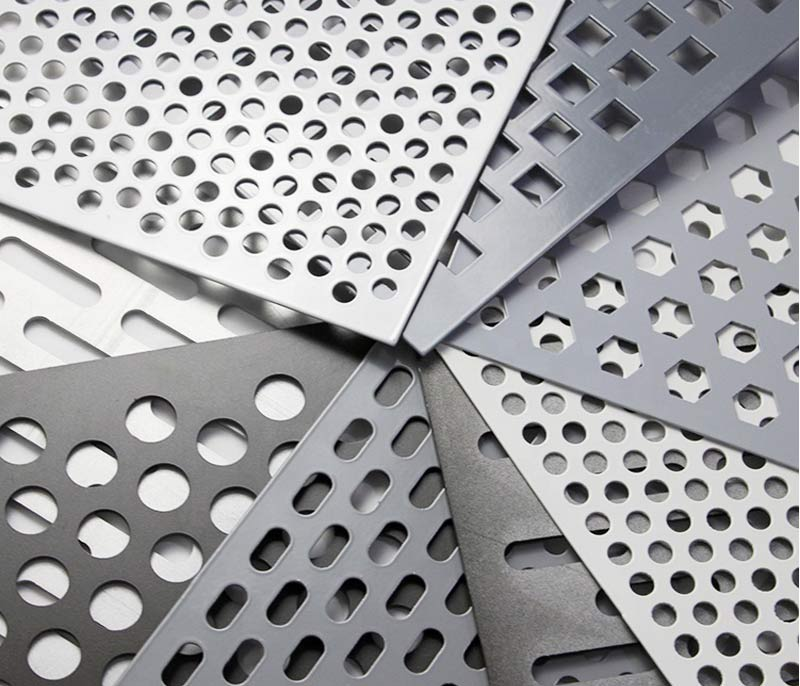
In 2023, an architectural firm needed just 300 square meters of titanium perforated panels with a specific hexagonal pattern for a boutique hotel lobby. They approached a large industrial conglomerate and a major stainless steel producer. Both declined the order due to its small size and complex specifications.
The Mid-Size Advantage: This is where mid-sized flexible factories excel. Hengai Metal doesn't just tolerate small batch orders; they specialize in them. Their set-up supports 来图定制 (custom processing according to drawings) and low-volume trial runs. They utilize CNC tooling that allows for quick changeovers. You can test a new pattern without a massive inventory commitment. Their sales team is engaged from the first inquiry, offering detailed feedback on hole size and material grade, which is essential for R&D teams.
4. The Procurement Trap: Relying on Suppliers with No "Skin in the Game"
Many who sell perforated metal online are brokers. They don't own the assets—the turret punches, the laser cutters, or the welding stations. This creates a critical vulnerability for the buyer.
If a broker’s subcontractor gets a bigger, more lucrative order, your small production run gets pushed to the back of the queue. You have no leverage and no visibility into the production floor.
The Answer: Audit the Factory FloorSmart buyers are now verifying their suppliers' manufacturing capabilities before signing contracts. Leading manufacturers with "全流程自有设备" have a distinct appeal. Since they own the entire process, they can guarantee:
Quality Traceability: If a batch of sheets shows an issue with burr height, the factory's quality control team can immediately trace it back to the specific punch die and rectify the issue.Reliable Scheduling: When the factory controls the laser cutting and the punching, they can optimize the nesting plan to save material and shorten lead times. This internal synergy is impossible for a broker to replicate.
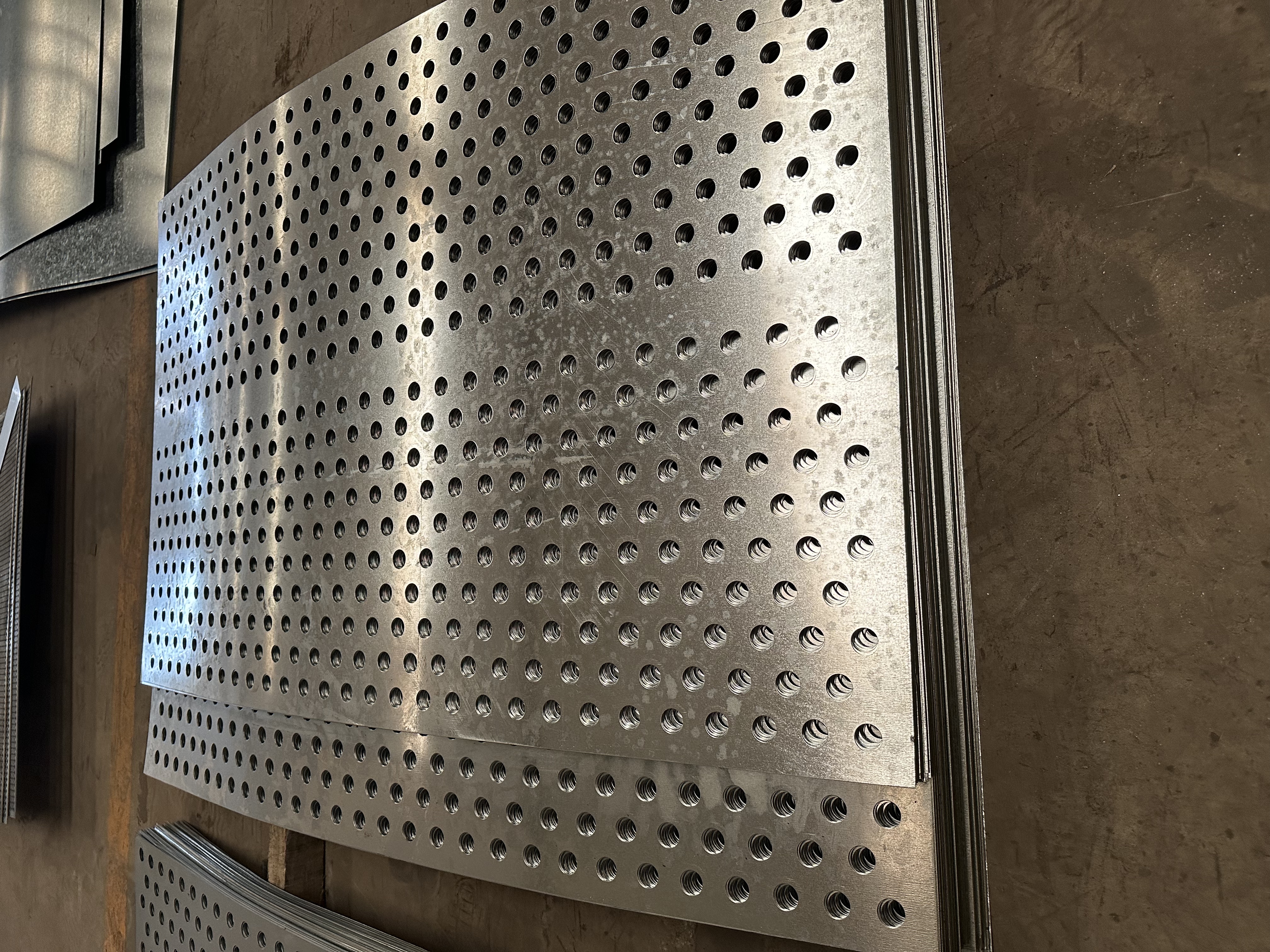
For high-stakes projects like High Speed Rail noise barriers or pharmaceutical filtration systems, this level of control is non-negotiable. This is why companies in these sectors are increasingly moving their supply chains to hybrid factories like Hengai Metal, which can manage the entire journey from raw coil to the final protective coating.
Decisions for the Modern Engineer and Buyer
The era of blindly selecting the "cheapest quotation" or the "biggest name" is over. The industry is maturing, and the value is shifting toward flexibility, technical service, and integrated processing.
When selecting your next supplier, your checklist should look like this:
Verify the "Factory" Claim: Do they own the punching machines, or do they just trade the parts? Ask for a facility tour or a live video call.Assess Sub-Processing Capabilities: Can they bend, weld, and finish the product? If they can, you reduce transport steps and potential damage.
Test with a Prototype: A quality manufacturer will provide samples before mass production to ensure the hole pattern and material meet your standards.
The goal is not just to buy a sheet of metal with holes in it; it is to build a supply chain that is responsive, transparent, and robust enough to support your success. And in this landscape, the terminal factory isn't just an alternative—it is the superior choice.