 En
En
Perforated metal sheet efficient production company
In the world of industrial materials, few products are as ubiquitous yet misunderstood as the perforated metal sheet. It’s in the facade of the modern office building down the street, the guard covering the machinery in a factory, the screen filtering water at a treatment plant, and the acoustic panelling in a concert hall.
But for procurement managers and engineers, sourcing these sheets can feel like navigating a maze. You’re juggling price quotes from traders, waiting weeks for samples, and hoping that the batch of 500 sheets arrives without burrs or dimensional deviations.
We spoke with industry insiders and analyzed supply chain trends. The data points to a significant shift: the move towards direct-from-factory procurement. This isn't just a trend; it’s a strategic response to the inefficiencies of traditional distribution.
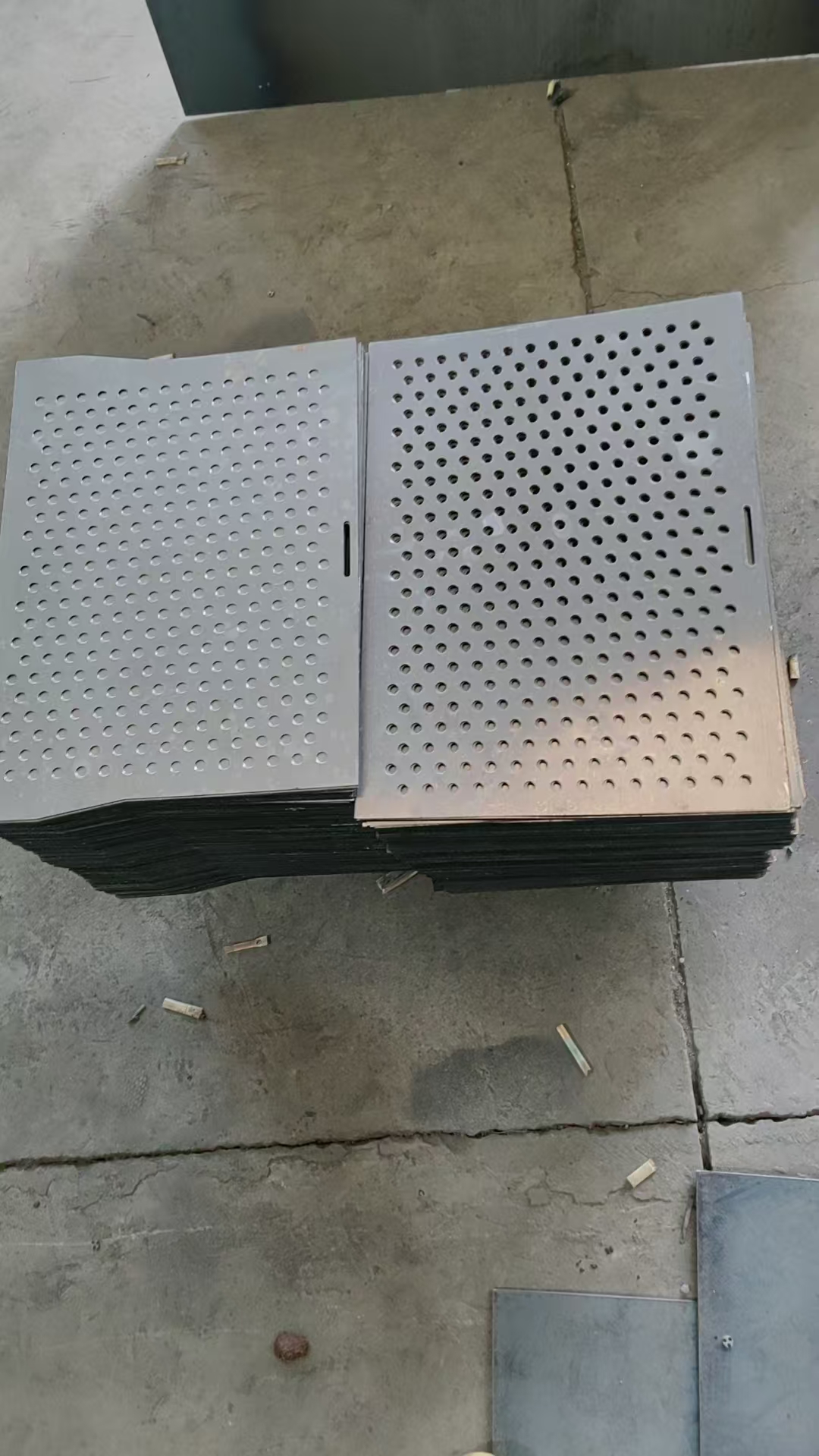
Let’s break down why companies like Tianjin Hengai Metal Product Co., Ltd (Hengai Metal) are gaining traction, and how you can leverage this model to improve your bottom line.
The High Cost of "Cheap" Quotes: The Distribution Trap
For decades, the standard model involved layers of distributors. A manufacturer sells to a regional agent, who sells to a local dealer, who eventually quotes your company. Each layer takes a margin.
A study by procurement consultancy firm Procurious found that indirect spend leakages (paying more than necessary for non-core goods) account for an average of 8-12% of a company's total expenditure. For a firm purchasing $500,000 worth of metal products annually, that's a potential $60,000 loss—just vanish.
Case in Point: Consider the recent "steel price rollercoaster." In 2021, hot-rolled coil prices swung by over 40% in six months. Distributors, holding expensive inventory, are often slow to adjust prices downward. A direct factory, however, can respond instantly to market shifts because they're purchasing raw material in bulk daily. When you buy direct, you aren't paying for a distributor's hedging mistakes.
Practical Advice:
Ask for a Cost Breakdown: Request a quote that separates material cost, processing cost, and surface treatment. If a distributor can't provide this, they are adding a significant markup.Audit your supplier list: Identify which of your suppliers are true "mill-to-factory" entities and which are just trading houses.
1. Why "End-Factory" Capability Is A Game Changer
When we talk about an "end-factory," we mean a business that actually owns the machines. This is not a trading company operating out of an office tower.
The Statistics: In the metal fabrication industry, the failure rate for parts due to tolerance issues is significantly higher when multiple subcontractors are involved. If one factory punches the holes and another does the bending, the tolerance stack-up error can double or triple. Industry data suggests that up to 70% of quality complaints regarding perforated parts stem from inconsistencies in multi-vendor handling.
The End-Factory Advantage:Hengai Metal serves as a prime example of this model. They don't just outsource the punching and hope for the best. They run a full-process internal production line.
Punching: Operating high-speed punch presses and turret punch presses.Cutting: Using laser cutting machines for precision edges and complex shapes.
Forming: Performing bending and welding in-house.
Why this matters to you: Traceability. If a batch of perforated filter cylinders fails, you need one throat to choke. With a single factory, the quality control is centralized. They have control over the entire process from raw material to finished part. The shift towards "vertical integration" is not just a buzzword. By keeping all processing in-house, companies can reduce lead times by up to 30% compared to traditional outsourcing models.
Practical Advice:
Require video proof: In the age of WeChat and WhatsApp, any genuine factory will happily send a live video of your specific material running on the machine.Check for "deep processing": Don't just buy flat sheets. If your supplier cannot do bending, welding, and assembly, you are adding shipping costs for half-finished parts.
2. The Hidden Value of Customization (More Than Just Holes)
A common misconception is that a "perforated sheet" is a commodity item. It’s not. The diameter of the hole, the pattern, the open area ratio, and the material type (304 stainless vs. 316 for marine environments vs. aluminum for lightweight) drastically change the price and performance.
Data from the Construction Specifications Institute shows that nearly 40% of architectural metal projects require non-standard perforation patterns. If your supplier only offers standard round holes on a 10mm pitch, they are not a manufacturer; they are a warehouse.
Hengai Metal’s capability to handle "micro-perforation" (holes less than 1mm for acoustic applications) and complex "elongated/slot holes" (for mining screening) shows the level of technical expertise a true factory must possess. They can because they have the tooling, and because they have qualified engineers who understand punch and die clearance.
Why this matters: Let’s look at the filtration industry. A perforated filter screen for a pharmaceutical application might need a hole tolerance of +/- 0.05mm. A cheap distributor...will simply send you a sheet that is "close enough." An end-factory will adjust the die, measure the hole with an optical comparator, and ensure the burr is minimal and facing the correct direction for the flow.
Case in Point: For mining applications, wear resistance is critical. Using high-carbon steel or abrasion-resistant steel with a specific perforation pattern can extend the lifespan of a screen by 300% compared to standard mild steel. A distributor doesn’t care about this; they just sell mild steel. A factory will ask: What is your material? How many tons per hour are you screening? They recommend the alloy and the thickness accordingly.
Practical Advice:
Send the Drawing, Not Just the SKU: Always provide a DXF or DWG file. A quality factory will review the file for free and suggest optimizations to reduce stress on the tooling—this often reduces YOUR cost.Ask for alternatives: Ask if a similar material with a higher tensile strength can be used, allowing you to reduce the thickness of the sheet and lower the total weight and cost.
3. Direct from the Factory: Cost Breakdown & The Real ROI
Let’s talk about the bottom line. Why are companies shifting toward direct sourcing?
According to a report by the Manufacturing Institute, the average total cost of a purchased part includes 12% "cost of poor quality" (inspection, rework, scrap, and late delivery penalties). When you buy from a terminal factory that controls its own welding and pressing, you eliminate the rework.
The No-Middleman Model:Hengai Metal specifically highlights its "terminal factory direct" position. Let's run the numbers:
Traditional Route:Factory Price: $1.00 / sq. ft. Distributor Markup: +30% = $1.30 / sq. ft. Reseller Markup: +20% = $1.56 / sq. ft.Your Price: $1.56/sq.ft.
Direct Route (e.g., Hengai Metal):Factory Price: $1.00 / sq. ft. Shipping/Handling: +5% = $1.05 / sq. ft.Your Price: $1.05/sq.ft.
That’s a 33% reduction in material cost alone.
But wait, there’s more: Let's consider deep processing. If you buy a flat sheet from a distributor, you have to pay a third-party machine shop to bend it and weld it into a filter drum. You pay for transport between these two vendors. You pay for double handling. A facility like Hengai Metal does punching and then bends the sheet in their own press brake, and welds it in their own workshop. This reduces the logistics chain by half.
Practical Advice:
Compare "Landed Cost": When evaluating quotes, do not look at the unit price. Look at the full price including: Tooling costs (if any).Surface treatment (powder coating vs. anodizing).
Crating and packaging for export.
Logistics to the port.
Consider Payment Terms: Factories often offer better payment terms (e.g., T/T with a deposit) to direct buyers than distributors do, because they have higher margins to play with.
4. Speed To Market: The "Small Batch" Advantage
One of the biggest lies in the metal industry is that "minimum order quantity" is a law of physics. It is not. Many smaller buyers starting a new product can get stuck with distributors who quote exorbitant prices for small runs.
However, the trend in modern manufacturing is toward "lean" inventory.
The Shift: In 2023, the average order size in the US metal service centers dropped by 15% compared to 2020, as companies moved to just-in-time delivery to avoid warehousing costs. But here’s the issue: If you want 50 pieces to test the market, big distributors won't return your calls.
Yet, a flexible end-factory will do it.
Hengai Metal encourages trial orders. They support small batch testing and rapid sample production before mass production. This is crucial for engineers building prototypes. They have the laser cutting and CNC punching machines to cut one-off parts without needing high-cost dies.
Why this matters for you: Paying a higher price per unit for a 100-piece trial order is smart if it prevents a $10,000 mistake on a 10,000-piece order. You get the fit, form, and function tested. This speed-to-market—getting through the prototyping phase quickly—is often more valuable than the cost of the parts themselves.
Practical Advice:
Never buy blind: Hire suppliers who insist on sending you samples before you place a large deposit.Check their machine list: If they don't have a laser cutter, they cannot do complex prototyping cheaply. If they only have high-speed punches, they are stuck in mass-production mode and will overcharge you for small runs.
5. Quality Control: Data-Driven Assurance
Quality isn't just about looking good; it's about physics and performance.
For instance, in the mining industry, perforated screens are subject to enormous stress. If the holes are punched with a dull tool, the metal around the hole "rolls over," creating a weak point. This leads to cracking and premature failure, costing thousands in downtime.
A factory that controls its processes uses the "Rule of Thumb" for die clearance—typically 20% of the material thickness for mild steel. They maintain their tooling and sharpen it regularly.
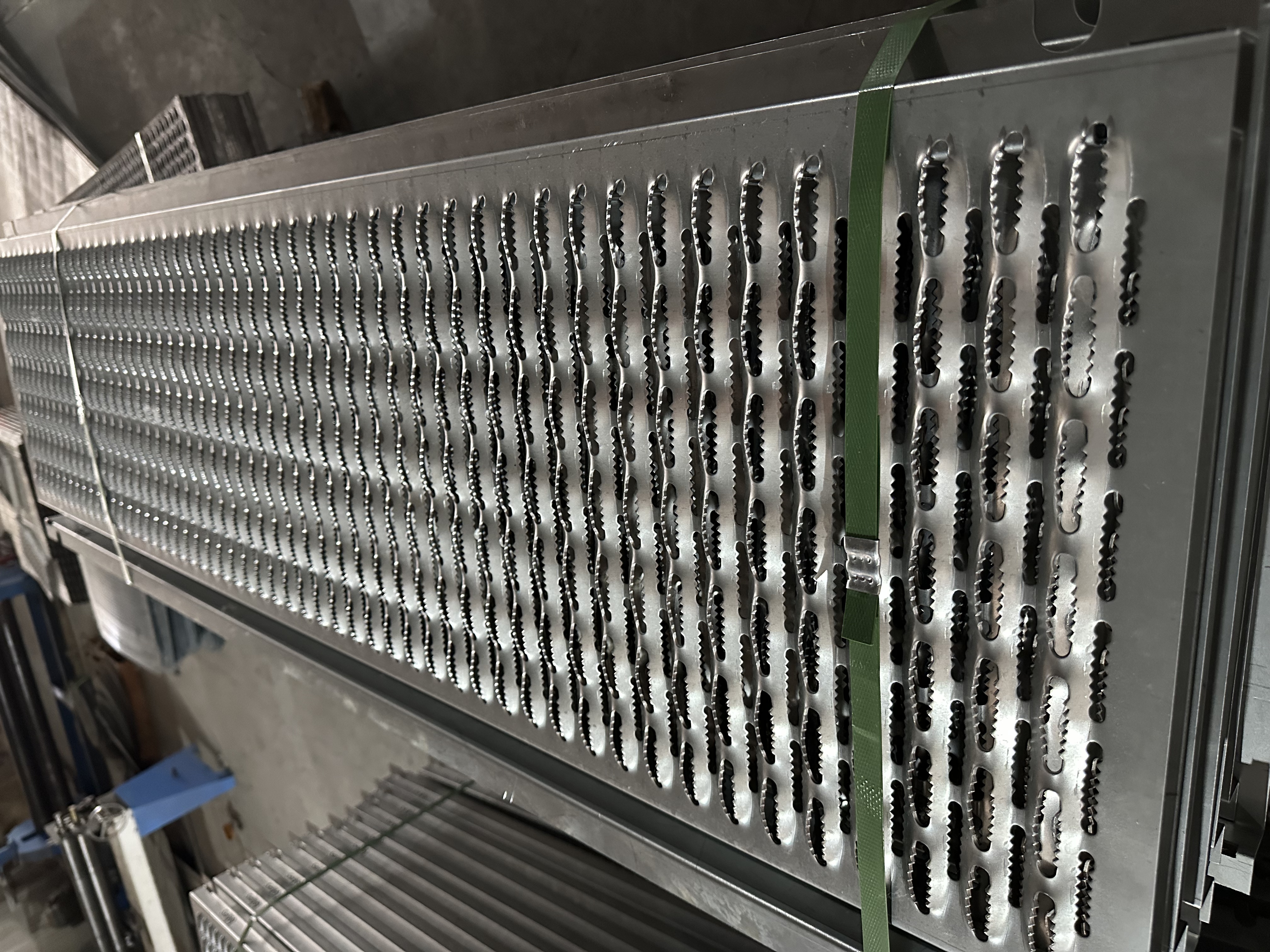
Data Point: An internal audit of a reputable factory (like Hengai Metal) would show that they implement a "First Article Inspection" (FAI). This means when the machine is set up, the first piece off the line is checked extensively before they let the machine run 1000 more.
Practical Advice:
Ask for the "Open Area %": This is a math formula , not a guess. Ensure the factory verifies the open area matches your airflow or screening requirements.Demand Burr Specifications: Specify the acceptable burr height (usually under 0.1mm for standard industrial applications). If they say "we will de-burr," ask how. (Vibratory finishing vs. manual?).
Conclusion: The Bottom Line
The market for perforated metal is becoming more competitive. To survive, you need supply chain partners who act as an extension of your own manufacturing floor.
While big international names dominate the architectural market, the shift is clear: Collaborating with specialized terminal factories like Hengai Metal yields not only superior pricing (by removing the 20-30% "middleman tax") but also higher quality assurance (single-point accountability).
It’s time to stop shopping for price lists and start building partnerships with machinists and fabricators who understand the punch press. When you work with a direct factory offering customization and full-process control, you aren't just buying a product; you're buying capability, reliability, and peace of mind.
Key Takeaway Strategy for Your Next Project:
Evaluate your current supplier: Are they a "trader" or a "producer"?Go direct: Request quotes and drawings from end-factory experts like Hengai Metal.
Test the waters: Use their rapid prototyping to validate your design.
Scale up: Convert those trials into long-term, high-volume contracts to lock in your cost advantage.
In the world of industrial sourcing, the shortest distance between two points isn't always a straight line—but in this case, the direct route is undoubtedly the smartest one.