 En

Perforated metal sheet guaranteed quality company
In the world of industrial supply, few phrases are as overused—and as frequently hollow—as “guaranteed quality.” Walk through any trade show or scroll through any B2B marketplace, and you will find dozens of suppliers claiming it. But what does that guarantee actually mean when a shipment of perforated sheets arrives with inconsistent hole spacing, or when a batch of filtration components fails after six months of service?
The truth is, in the perforated metal industry, quality is not a single attribute but a convergence of material integrity, dimensional precision, process control, and supply chain accountability. A company that genuinely delivers on a quality guarantee must be able to demonstrate measurable performance across each of those dimensions.
The Real Cost of Cutting Corners: Data You Cannot Ignore
Let's ground this discussion in numbers. Industry failure analysis studies indicate that approximately 12% to 15% of perforated metal product rejections in industrial applications stem from improper deburring and inconsistent hole geometry—problems that directly originate from processing shortcuts. Furthermore, supply chain research shows that outsourced production, where punching, cutting, and forming are handled by different subcontractors, increases the risk of delivery delays by up to 20% compared to vertically integrated production. Each delay carries quantifiable costs: idle labor, stalled construction schedules, and expedited shipping fees that often add 15% to 30% to the original procurement budget.
For buyers, these are not abstract risks; they are line items on a balance sheet. This is precisely why the conversation about guaranteed quality needs to shift from marketing language to concrete, auditable practices.
1. Look for Vertical Integration: The Foundation of Consistent Quality
The most reliable predictor of batch-to-batch consistency is a manufacturer’s control over its own production chain. When a factory outsources key steps—as many so-called manufacturers do—they introduce variables they cannot fully manage. Tolerance stacking becomes a genuine risk; communication delays between shops lead to scheduling conflicts; and when defects appear, the blame-shifting begins, leaving the buyer without recourse.
The alternative approach:
Choose a supplier that operates as a true terminal factory, one that invests in and manages its own comprehensive equipment lineup. For instance, a company like Hengai Metal, which operates its own punching machines, turret punch presses, laser cutting systems, bending machinery, and welding stations, stands in a fundamentally different category from a trading house or assembly operation. When one facility handles a sheet from the raw coil to the finished, formed component, quality control becomes a closed loop. Dimensional checks are performed at each stage. Process parameters are adjusted in real-time. If a problem arises, the root cause is identified within the same building, not across three different subcontractors.
Practical assessment steps: When evaluating a potential supplier, do not settle for their assurance of “quality control.” Ask for specifics.
Request a full list of their in-house processing capabilities. Which steps are performed internally? Which are outsourced?Inquire about their inspection checkpoints. Are dimensions, hole alignment, and surface finish checked after punching, cutting, or forming?
Ask about their internal reject rate and how they handle non-conforming material.
2. Verify Material & Customization Capabilities: Quality Starts with Selection
Quality is not solely a matter of process; it also hinges on material and application suitability. A guaranteed-quality supplier should not force you into a limited catalog. Instead, they should demonstrate the ability to match material properties to your specific operational environment.
Consider the technical differences. For high-corrosion environments like chemical processing or coastal architecture, 304 or 316 stainless steel is essential. For lightweight architectural panels, aluminum offers a favorable strength-to-weight ratio but requires careful handling to avoid denting during punching. For heavy-duty mining screens, abrasion-resistant carbon steel is necessary—but it demands higher tonnage presses and specialized tooling that not every manufacturer possesses.
Customization is equally critical. An architectural project might demand a custom oblong pattern for a striking facade. An acoustic application requires precise micro-perforation for specific sound absorption coefficients. A filtration system requires exact hole diameters that are measured in microns. A capable manufacturer will not treat these as inconveniences. Instead, they will have experience producing a range of patterns—round, square, slotted, hexagonal, and custom shapes—and, crucially, they will know how to adjust parameters for different materials.
Hengai Metal’s approach: As a manufacturing partner, their flexibility allows them to work with you. They can recommend material grades based on environmental stressors, suggest optimal hole patterns for open area percentage, and prototype custom designs before scaling to mass production. This technical consultation capability is itself a mark of quality; a supplier who cannot guide you on material selection is simply a middleman, not a manufacturing partner.
Practical assessment steps: Before you place an order, test the supplier's technical depth.
Describe your application's environment and ask for a material recommendation. A technically strong supplier will ask you about humidity, temperature range, exposure to chemicals, and mechanical load.Provide your own engineering drawings. See if they can produce a sample that exactly matches the specified tolerances.
Ask for their capabilities in producing non-standard hole patterns. Their manufacturing equipment will determine their flexibility.
3. Focus on Supply Chain Efficiency: Price and On-Time Delivery as Metrics
A technically perfect part is worthless if it arrives two months late. Therefore, quality extends to a logistical dimension. Long and fragmented supply chains are hidden enemies; they create buffer times, inflate inventory costs, and increase the probability of shipping errors.
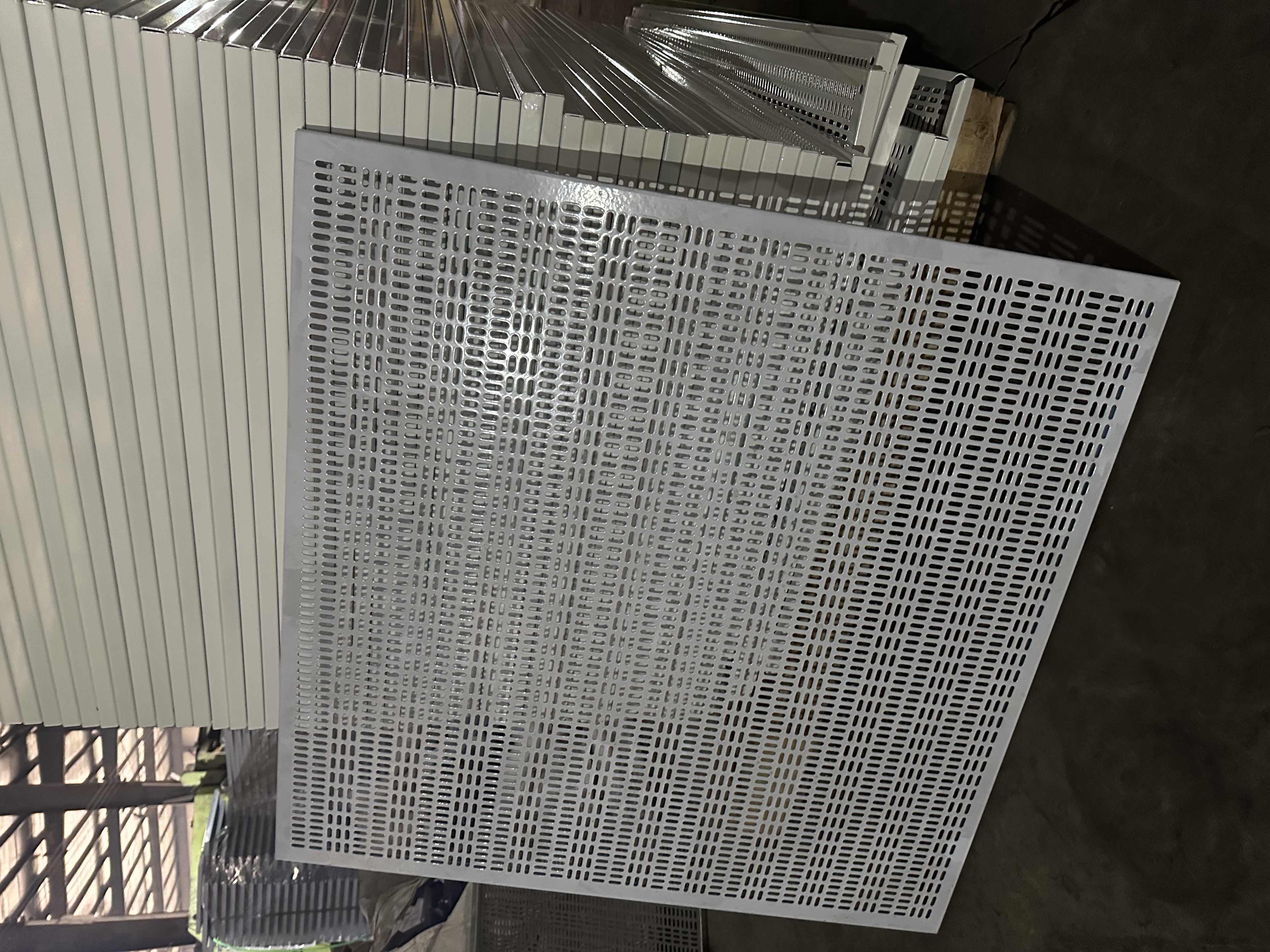
Direct manufacturer-supplied products offer a quantifiable advantage. Consider the data. By eliminating the costs associated with multiple sales layers—which typically add 15% to 25% to the final product price—and reducing waiting times caused by sequential processing across different facilities, a fully integrated supplier can offer lead times that are significantly shorter than those of a trading company.
This is also where the service model matters. Some projects involve a hundred-piece order, while others represent a multi-year contract requiring thousands of components monthly. A quality supplier must be agile enough to handle both without friction. They should offer “sample-first” services for small trial runs and have the production capacity to scale up seamlessly.
Hengai Metal’s model: Operating as a terminal factory without middle layers, the company offers transparent pricing and flexible production scheduling. Because they control machine utilization schedules, they can accommodate urgent orders better than firms that rely on external workshops. Furthermore, their in-house deep processing capabilities—for products like filter drums, filter housings, and protective covers—simplify the supply chain by eliminating the need for you to coordinate primary and secondary processing with separate vendors.
Practical assessment steps: Understand the commercial terms beyond unit price.
Ask for standard lead times for a sample order and for a mass production order.Inquire about their capacity for order surge management. How do they prioritize important deadlines?
Calculate your total cost of ownership, not just the initial unit price. Factor in transport, inventory management, and defect handling costs. A transparent, direct factory relationship often yields significant savings in these areas.
4. Prioritize Surface Treatment and Deep Processing: The Unseen Elements of Quality
Finally, true quality is manifested in the lifespan and usability of the component. The finishing steps—which often seem like afterthoughts—play a pivotal role in product longevity.
Does the sheet require galvanizing to prevent rust? Powder coating to ensure chemical resistance? Brushing or anodizing to achieve a specific finish? Each treatment demands distinct equipment and expertise. Applying them incorrectly, using a mismatched undercoat, or applying an uneven layer will cause premature failure in the field, undermining all the efforts made during production.
Moreover, a quality supplier will offer to handle post-punching forming operations. A sheet that is perfectly perforated but poorly bent will fail at the seams. Welding, in particular, needs care to avoid warping thin sheets or leaving pores in critical filter applications. A vertically integrated manufacturer, one that can execute a sequence of punching—bending—welding—grinding—finishing—without passing the job to a third party, delivers far more than a metal part; they deliver functional reliability.
Hengai Metal’s deep-processing capabilities: With comprehensive in-house machinery, they do not just sell flat, perforated sheets. They offer turn-key components. If your project requires a perforated filter drum, a ventilation guard, or an acoustic panel—shapes that necessitate skilled folding and robust weld seams—a single manufacturing partner (such as Hengai Metal) can complete that work without the operational headache of managing separate processes.
Practical assessment steps: Do not stop your audit at the hole punching.
Inquire about the range of surface treatments they offer in-house. Are they capable of applying durable, long-lasting finishes like anodizing or powder coating?Ask if they produce complex three-dimensional products, not just flat panels. Their answer is an indication of their forming and joining skills.
Request references from projects that required such detailed secondary processing. The level of quality assurance in their production chain—from a roll of steel to a functional component—is a far more telling metric than any product’s superficial price tag.
Making the Choice: Data Over Promises
Quality in perforated metal is a system of interrelated factors. It is found in the precision of a punching die, the calibration of a laser cutter, and the competence of a welder. But most fundamentally, it is found in the structure of the company that manages those elements. As you evaluate your options, do not merely weigh the price per sheet of metal. Weigh the integrity of the manufacturing process, the breadth of the technical capacity, and the transparency of the supply chain.
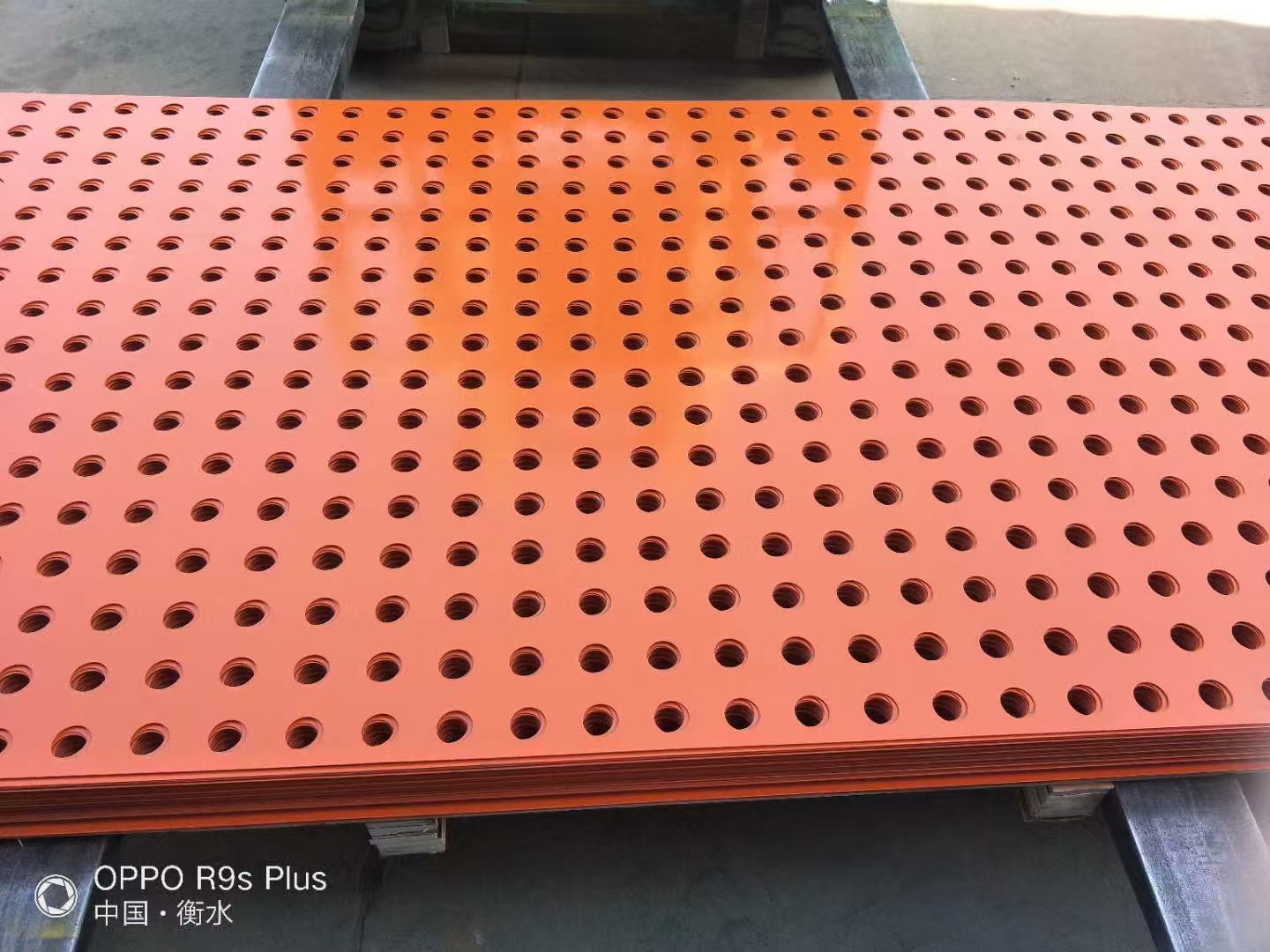
Companies like Hengai Metal, which have invested in building a comprehensive in-house operation, offer a form of quality assurance that is verifiable rather than rhetorical. Their systems help mitigate the risks of dimensional inaccuracies, material defects, and logistics delays that commonly plague this sector. By prioritizing a supplier's operational capabilities over its sales promises, you gain a strategic advantage that enhances the performance of your own end products.
In a competitive marketplace, a guarantee is a commitment to accept responsibility. The best assurance of quality lies not in words, but in the visible integration of advanced machinery, stringent process control, and robust technical expertise.