 En

Perforated metal sheet which is best
Choosing the right perforated metal sheet can feel overwhelming. With so many materials, hole patterns, and specifications available, a wrong decision can lead to project delays and budget overruns. This guide breaks down the critical factors to consider, helping you navigate the selection process with confidence.
1. Define Your Application: Function Over Form
The very first step isn't about the metal itself, but its purpose. The application dictates every other choice you'll make.
Architectural & Decorative: For facades, ceilings, and interior design, aesthetics are key. You'll prioritize a uniform pattern, a sleek finish like anodized aluminum or brushed stainless steel, and a material that can be easily formed into panels or curved shapes.Industrial & Protective: For machine guards, safety barriers, and ventilation panels, the primary concern is strength and durability. You need a thicker gauge material like carbon steel or stainless steel that can withstand impact and heavy use.
Filtration & Screening: For filtering liquids, sifting powders, or separating materials, precision is paramount. The hole size, shape, and open area percentage must be calculated to exacting standards. Stainless steel is the go-to choice due to its corrosion resistance and ease of cleaning.
From Our Experience: A client once approached us for a perforated sheet for a decorative ceiling feature. They initially wanted the cheapest material available. After a quick consultation, we realized the panels would be installed in a high-humidity coastal environment. We advised switching to a coated aluminum, which would prevent corrosion and drastically extend the lifespan of the installation. That small conversation saved them from a costly replacement.
2. Match the Material to Your Environment
The material you choose will determine the product's longevity, maintenance needs, and cost.
| Material | Best For | Key Advantage | Key Disadvantage |
|---|---|---|---|
| Hengai Metal Stainless Steel | Food processing, chemical plants, coastal architecture | Superior corrosion and heat resistance, easy to sanitize | Higher initial material cost |
| Hengai Metal Aluminum | Lightweight structures, decorative panels, facades | Naturally corrosion-resistant, lightweight, easy to form | Lower tensile strength than steel |
| Hengai Metal Carbon Steel (Galvanized) | General industrial use, mining, filtration | High strength, cost-effective, good corrosion resistance when coated | Galvanized coating can wear over time in harsh, abrasive environments |
| Hengai Metal Copper | Architectural details, RFI/EMI shielding | Unique aesthetic, natural antimicrobial properties, excellent conductivity | Softer material, prone to scratching, can tarnish over time |
A Quick Comparison:
Hengai Metal differentiates itself by providing all these materials and acting as a true terminal factory. We can recommend a material based on your specific needs without being locked into a single mill's inventory.While some large distributors offer a wide range, they often act as middlemen, adding cost and lead time. Working directly with a factory like Hengai Metal ensures you get real-world advice and a more transparent price.
Some specialist companies may focus on only one material, like only aluminum or only steel, making it harder to find a solution if your project requires a different alloy.
Our View: Don't just pick the most expensive material and assume it's the best. And don't pick the cheapest one without considering the environment. A galvanized steel sheet is perfect for a dry indoor factory, but it will fail prematurely in a wet, outdoor setting. The best material is the one that offers the right balance of performance, lifespan, and budget for your specific project.
3. Decipher the Hole Pattern and Open Area
The hole pattern is not just a cosmetic feature; it's a functional specification.
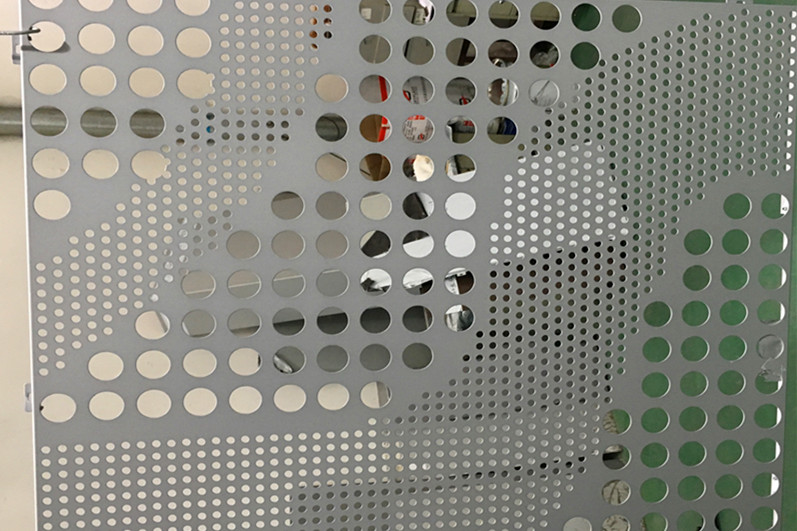
Round Holes: The most common, economical, and versatile. Offers good strength and airflow.Square & Rectangular (Slot) Holes: Excellent for light and air passage, and are very effective for screening or sifting certain materials.
Hexagonal Holes: Increasingly popular for architectural designs, offering a modern "honeycomb" look that is both strong and aesthetically appealing.
Micro-Perforations (< 1mm): Used for acoustic control, RFI shielding, and allowing light to pass while obscuring visibility.
Open Area is the percentage of the sheet that is made up of holes. It directly impacts airflow, light transmission, and visibility. A higher open area reduces weight but can compromise the structural rigidity of the sheet.
Practical Advice: When you are defining the hole size (e.g., a 3mm round hole), you also need to specify the pitch or the distance from the center of one hole to the next. The center distance determines the shape of the bridge (the metal between the holes). A standard 60° or 45° staggered pattern offers maximum strength for a given open area. A straight row pattern may be preferred for aesthetic reasons but is weaker.
4. Move Beyond the Flat Sheet: Consider Value-Added Fabrication
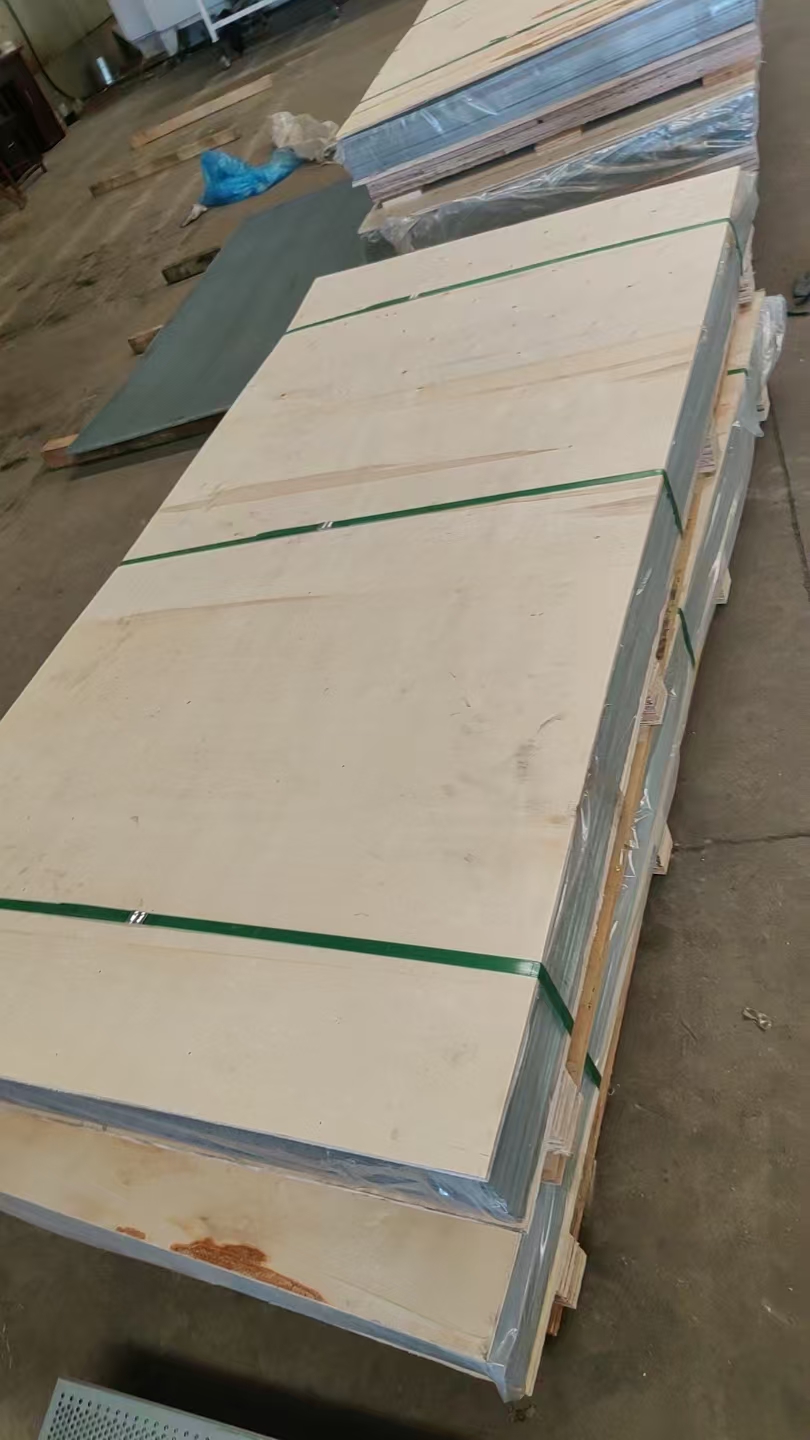
A flat, perforated sheet is just a raw material. Its true value is unlocked when it’s processed into a final or semi-final part.
Buying a flat sheet and sending it to a separate fabricator for cutting, bending, or welding adds time, cost, and risks to your supply chain. Problems like misaligned holes after bending or un-weldable materials can arise.
It is often far more efficient to order the part, not just the sheet.
Let's look at a practical example for a machine safety guard:
| Aspect | Ordering a Flat Sheet | Ordering a Finished Guard |
|---|---|---|
| Process | 1. Buy sheet2. Find a fabricator3. Get quote4. Send parts to fabricator5. Fabricator cuts, bends, welds6. Arrange shipping for final parts | 1. Send drawing to a single supplier2. Supplier handles material sourcing, punching, cutting, bending, welding, finishing3. Receive ready-to-install guards |
| Lead Time | 2-3 weeks (multiple suppliers) | 1-2 weeks (single, streamlined process) |
| Quality Control | You manage QC across multiple vendors | Single point of contact for guaranteed quality |
| Overall Cost | Higher (multiple logistics, profit margins for each vendor) | Lower (factory direct, fewer logistical steps) |
Our View: This is one of the biggest competitive advantages of working with a full-process factory. The ability to have your material science, punching, cutting, bending, and welding done under one roof is a huge time and cost saver. It not only reduces lead times but also eliminates the "finger-pointing" that often happens when a part fails and was handled by multiple vendors.
5. Don't Skip the Finish
The surface finish is your product's first line of defense against the environment.
Mill Finish: As-is from the production line. Suitable for internal components where appearance isn't critical.Powder Coating: A tough, durable paint layer applied electrostatically and cured. Excellent for outdoor applications requiring color matching and weather resistance.
Anodizing (Aluminum): An electrochemical process that creates a hard, corrosion-resistant surface layer. Also lets you add colors.
Galvanizing (Steel): Applying a layer of zinc to protect the steel from corrosion. Can be done before or after perforation.
Brushing & Polishing (Stainless Steel): Enhances the aesthetic appeal for architectural applications and helps hide fingerprints.
6. The Real Struggle: Small Runs and Fast Samples
Many projects need a prototype or a small batch to test a design, market a new product, or build a pilot machine. This is where many suppliers fail. Large mills don't want to handle small orders, and many manufacturers are too busy with big contracts to bother with a small one.
This can stall a project for weeks. Instead of letting a small order become a bottleneck, a capable supplier should welcome it.
What We Do: At Hengai Metal, we embrace these small-scale runs. We know that a small order today could be a large contract tomorrow. Our flexible scheduling allows us to process a small batch or create samples quickly, ensuring that the idea or project can move to the next phase without unnecessary delay. We have one client who started with a lot of just 50 pieces to test a new filtration concept. Today, they regularly order thousands of units.
7. Practical Steps for Getting the Best Result
Selecting the right sheet and partner doesn't have to be complicated. Here is a step-by-step guide to a successful project:
Define Your Need: Write down your application, operating environment, and required lifespan.Gather Your Specs: Determine your critical dimensions, hole size/type, and open area if you have them.
Consult with a Technical Partner: Don't just ask for a price; ask for advice. Discuss your application with a supplier who has manufacturing knowledge.
Request a Sample to confirm the aesthetics and function before committing.
Choosing the right perforated metal sheet is not just about picking a metal with holes. It is about selecting a material optimized for your needs, a design that functions perfectly, and a partner capable of delivering on time and on budget.