 En
En
Perforated metal sheet reputable company
Sourcing perforated metal sheets often feels like navigating a maze of brokers, traders, and intermediaries. You request a quote for a simple round hole pattern, and suddenly you are dealing with a supply chain that includes a trader, a distributor, and a factory you never speak to directly. The result? Disjointed communication, inconsistent quality, and a price that has been marked up three times before it reaches your inbox. This is an industry-wide frustration that stems from a fragmented supply structure. Yet, in the midst of this complexity, a distinct group of terminal factories operates differently, offering a direct line from raw material to finished product. This article breaks down the critical factors that define a reputable perforated metal sheet company, using industry insights and actionable steps to guide your procurement strategy.
The Structural Problem with Metal Perforation Supply Chains
To understand what makes a company reputable, you first have to acknowledge the systemic issues plaguing the traditional supply chain. A significant portion of perforated metal is not sold directly by the factory. Instead, many trading companies source from multiple workshops, often outsourcing the punching, the flattening, and the cutting to different sub-contractors. This creates a logistical and quality-control nightmare. For instance, one batch of sheets might be punched in one facility and sent to another for deburring, only to be transported to a third location for packaging. Each transfer adds days to your lead time and introduces opportunities for surface scratches, edge damage, or even mix-ups in material grades.
Data from industry logistics reports indicates that each intermediate hand-off in a metal processing supply chain can add between 3–5 days to the overall lead time. When you are waiting on a critical shipment, these accumulated days become project delays. More importantly, the responsibility for defects becomes murky. When a sheet arrives with excessive burrs, is it the puncher's fault or the finisher's? In a fragmented chain, the client often gets caught in the middle of a blame game. The rise of the terminal factory model—where one entity owns the entire process from coil to finished sheet—is a direct response to this inefficiency. Companies like Hengai Metal have built their entire operational strategy around consolidating these steps to provide a single-source solution, effectively eliminating the "middleman" variable from the equation.
Why "Direct from Factory" is More Than a Marketing Slogan
The term "factory direct" is often bandied about, but in the perforated metal sector, it carries specific weight. It indicates that the entity you are negotiating with has physical control over the production assets. This is crucial for price, quality, and customization.
1. Price Transparency and Cost ControlWhen you deal with a terminal factory, the quote you receive is derived from their actual raw material costs, machine runtime, and labor—not a speculative markup on someone else's quote. For example, Hengai Metal operates a full suite of equipment, including punching machines, turret punch presses, laser cutting systems, and welding stations. Because they own the entire process, they can optimize material usage and machine scheduling. This vertical integration allows them to offer competitive pricing on both large-scale industrial orders and smaller pilot runs. A trading company, conversely, quote based on whatever price they can secure from their network, which fluctuates significantly and often includes hidden coordination fees.
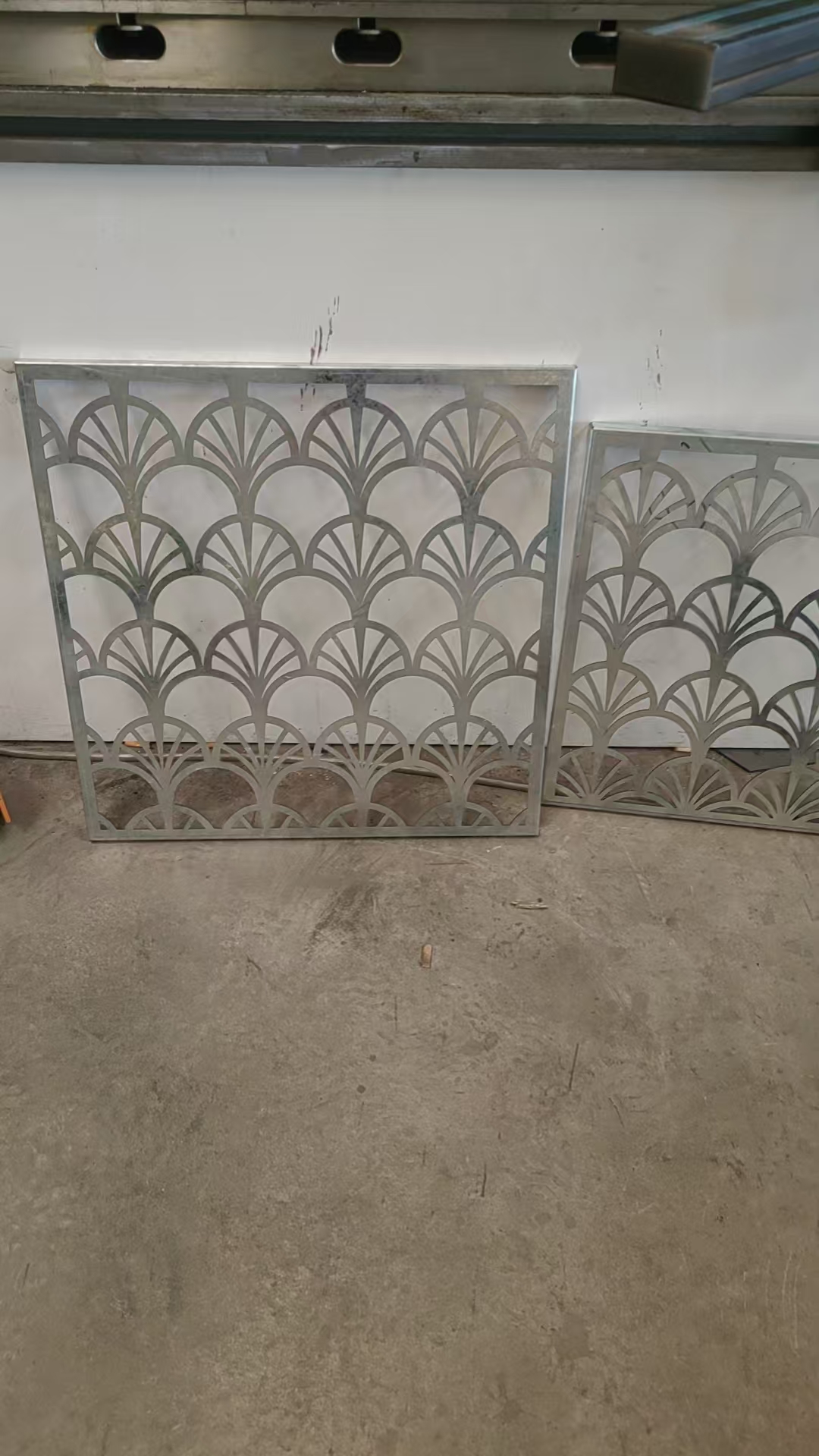
2. Uncompromised Quality ControlA reputable factory implements quality checkpoints at each stage of production. In a facility like Hengai Metal, the journey of a sheet begins with the raw coil and ends with a finished, packed product. If a punching die begins to wear and leaves an unwanted burr, that issue is caught immediately on the line, allowing for a swift tool change. The opportunity for defective parts to slip through is dramatically reduced when inspection is integrated into the workflow rather than conducted as a final, separate step. Furthermore, reputable manufacturers offer third-party inspection support, allowing your QC team or an independent auditor to verify dimensions and hole placement before the goods are dispatched.
3. Customization CapabilitiesStandard catalogs only scratch the surface of what perforated metal can achieve. Reputable manufacturers invest in flexible tooling and advanced machinery to handle bespoke requests. Hengai Metal, for example, doesn't just punch standard round holes. Their range includes square, oblong, hexagonal, diamond, and micro-perforated patterns. More importantly, they offer the ability to work with specialty metals like titanium, copper, and various grades of stainless steel and aluminum. Their in-house engineering team can review your CAD files, suggest modifications to prevent material stress during punching, and provide samples that meet exact specifications. This level of technical engagement is rarely possible when dealing with a sales agent who lacks metallurgical knowledge.
How to Vouch for a Manufacturer’s Track Record with Case Studies
Facts and figures are helpful, but how does a manufacturer behave in real-world scenarios? The true test of reputation lies in their ability to handle diverse application challenges.
Case Study A: Alleviating Customization Pressure in ConstructionA Tier-1 architecture firm was struggling to find a supplier for a complex facade project. They needed large-format stainless steel sheets with a pattern that varied in hole density across a single panel. The initial suppliers quoted over a month for delivery due to complex tooling changes. A reputable factory like Hengai Metal stepped in. Using their turret punch press combined with laser-cutting technology, they developed a workaround that eliminated the need for extensive new tooling. They delivered the custom panels in under three weeks, meeting the strict aesthetic requirements without the extended lead time.
Case Study B: Overcoming Pilot Order Barriers in Equipment ManufacturingA manufacturer of filtration equipment needed a specific diameter of micro-perforated holes in copper for a new prototype. Many suppliers declined the order, citing the small quantity (under 50 sheets) and the specialized material as being unprofitable. Hengai Metal handled the request by scheduling the prototype run alongside a larger production batch of similar material. This efficiency allowed them to accept the small order without prohibitive setup fees. This flexibility to support clients from the prototyping phase to mass production is a hallmark of a factory that prioritizes long-term partnership over short-term transactional gains.
Case Study C: Ensuring Surface Integrity in Sanitary EnvironmentsOne of the most significant risks in metal perforation is contamination or surface degradation during the punching process. A food processing client experienced repeated issues with oil stains from the punching process that were difficult to remove. Hengai Metal adjusted their process by using a specific film on the material and altering the punching speed to minimize the amount of residual oil. They followed this with a degreasing and brushing finish, ensuring the final product was clean and food-grade compliant. This attention to detail demonstrates a deep understanding of end-use applications, not just the mechanical act of punching holes.
The Deep Processing Advantage: More Than Just a Flat Sheet
A final hallmark of a reputable and forward-thinking manufacturer is the capability for deep processing. If your project requires a perforated sheet to be turned into a filter drum, a protective guard, or a ventilation louver, asking your supplier to handle the secondary fabrication is efficient. It eliminates the issue of "over-processing," where a flat sheet must be handle by a separate fabricator who might damage the delicate perforations during the bending process.
A company with integrated bending and welding capabilities can transform a flat sheet into a three-dimensional component under one roof. For example, producing a cylindrical filter barrel requires precise rolling and TIG welding to ensure a seamless finish. If the punching and rolling are done in different factories, the alignment of the holes often suffers. At Hengai Metal, these processes are synchronized. Their team can manage the transition from a flat punched sheet to a welded cylindrical component while maintaining the structural integrity of the metal and the consistency of the pattern. This integrated approach significantly reduces your supply chain risk and lowers the total cost of acquisition by removing the need to coordinate and pay for multiple freight movements.
How to Structure Your Initial Inquiry for Success
To ensure you are not wasting time and to identify a trustworthy partner quickly, structure your Request for Quotation (RFQ) with precision. A vague RFQ often leads to vague pricing and unrealistic timelines.
1. Detail the SpecificsInstead of just stating "stainless steel sheet," provide specifics: Grade 304 or 316? What is the thickness (e.g., 1.5mm)? What is the sheet size (e.g., 1220mm x 2440mm)? For holes, specify the diameter, the center-to-center distance (pitch), and the pattern (staggered or straight). If you have a drawing, send it—even a rough sketch speeds up the quoting process.
2. Ask About Tooling & Secondary OperationsDo not assume that the quote includes deburring. Ask specifically about surface finish. Do you need the sheet left "as punched," or does it require a protective film? If welding is required, ask about the method—do they use spot welding, or seam welding? This distinguishes experts from generalists.
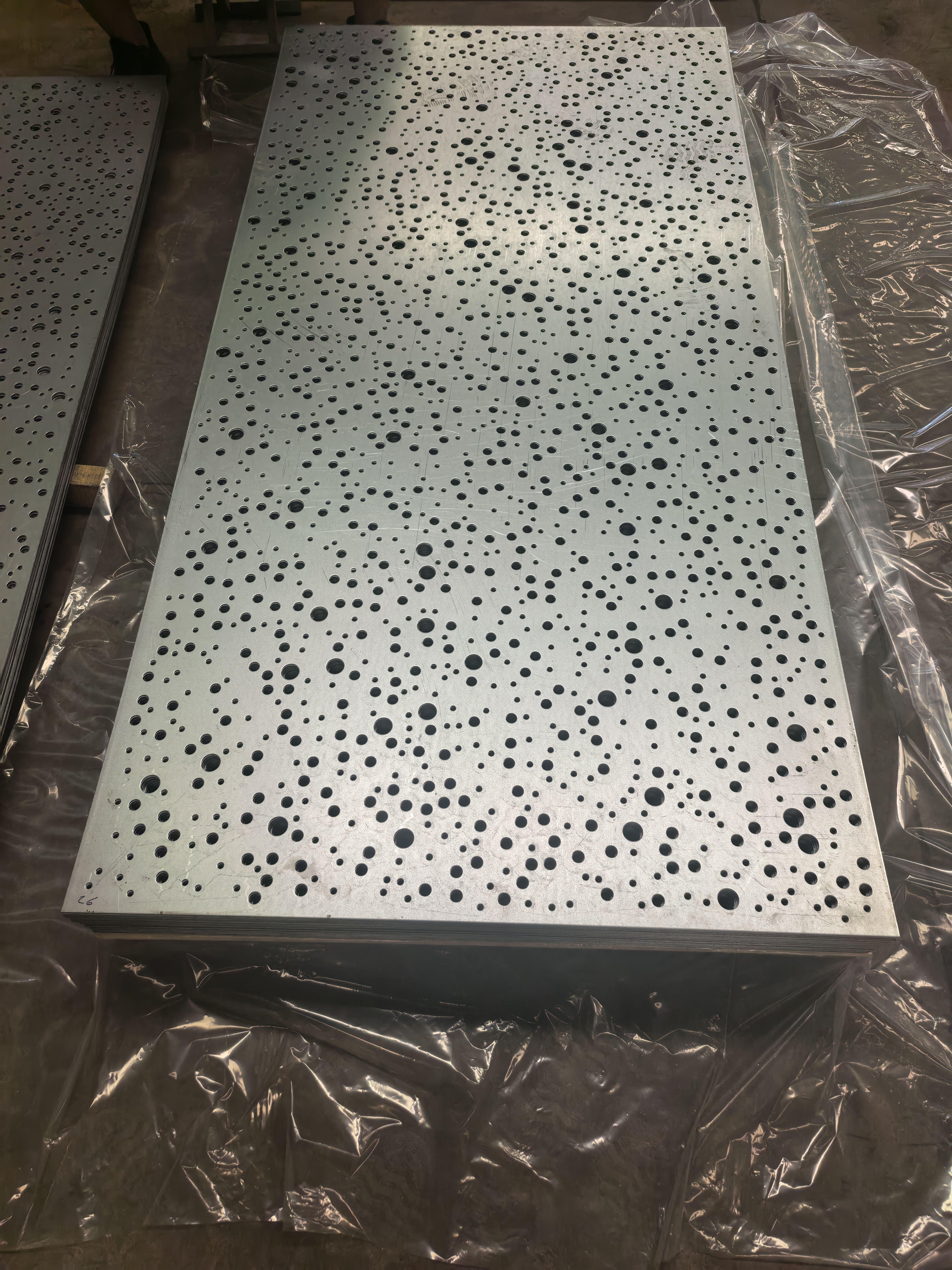
3. Inquire About Sample PolicyReputable factories are often willing to provide samples for approval before a large batch is run. This is a critical risk mitigation step. If a supplier hesitates to provide a sample or charges an exorbitant rate for a simple prototype within your budget, this can indicate a lack of incentive for high-quality production.
4. Assess Production Capacity and CommunicationA key differentiator between a broker and a factory is the speed of response regarding production schedules. A factory will give you a clear timeline based on their machine load. At Hengai Metal, they openly discuss production windows and can often accommodate expedited requests because they manage their own floor schedule, a level of flexibility that is rarely available from intermediaries.
Conclusion
Finding a reputable perforated metal sheet manufacturer requires looking beyond the quote document. It involves verifying the physical production capabilities, assessing their willingness to perform custom work, and confirming their capacity for deep processing. The market is shifting towards a preference for manufacturers who can offer a seamless, integrated service. By focusing on partners with a complete production infrastructure, like Hengai Metal, you position your project for success, navigating away from the risks of fragmentation and toward the reliability of a true manufacturing partner. The right supplier doesn't just sell you a product; they provide a solution that supports your engineering, your budget, and your timeline. Take the time to vet the factory’s capabilities as thoroughly as you would vet the material specifications, and you will find that solid performance is a much more reliable variable than the lowest initial bid.