 En
En
Perforated metal sheet high-end professional supplier
In high-stakes industries like architecture, mining, and precision filtration, the choice of a perforated metal supplier isn't just a procurement decision—it's a strategic one. A subpar supplier can derail project timelines, inflate costs through hidden fees, and compromise product integrity. For decades, the market has been fragmented, leaving buyers to navigate a maze of distributors and job shops. However, a shift towards vertical integration and direct-from-factory partnerships is reshaping the landscape. This article dissects the critical factors in selecting a high-end partner, offering concrete data points and actionable strategies for discerning procurement professionals.
Beyond the Punch Press: The Non-Negotiables of High-End Supply
Perforating seems simple—a punch and a die. But high-end applications demand far more sophistication. As a specialist factory, we've found that true reliability stems from control over the entire process chain. Many suppliers outsource cutting, bending, or welding, creating logistical nightmares and quality control gaps. If a component fails, who is responsible? The puncher or the welder?
Ownership of the process eliminates the blame game.
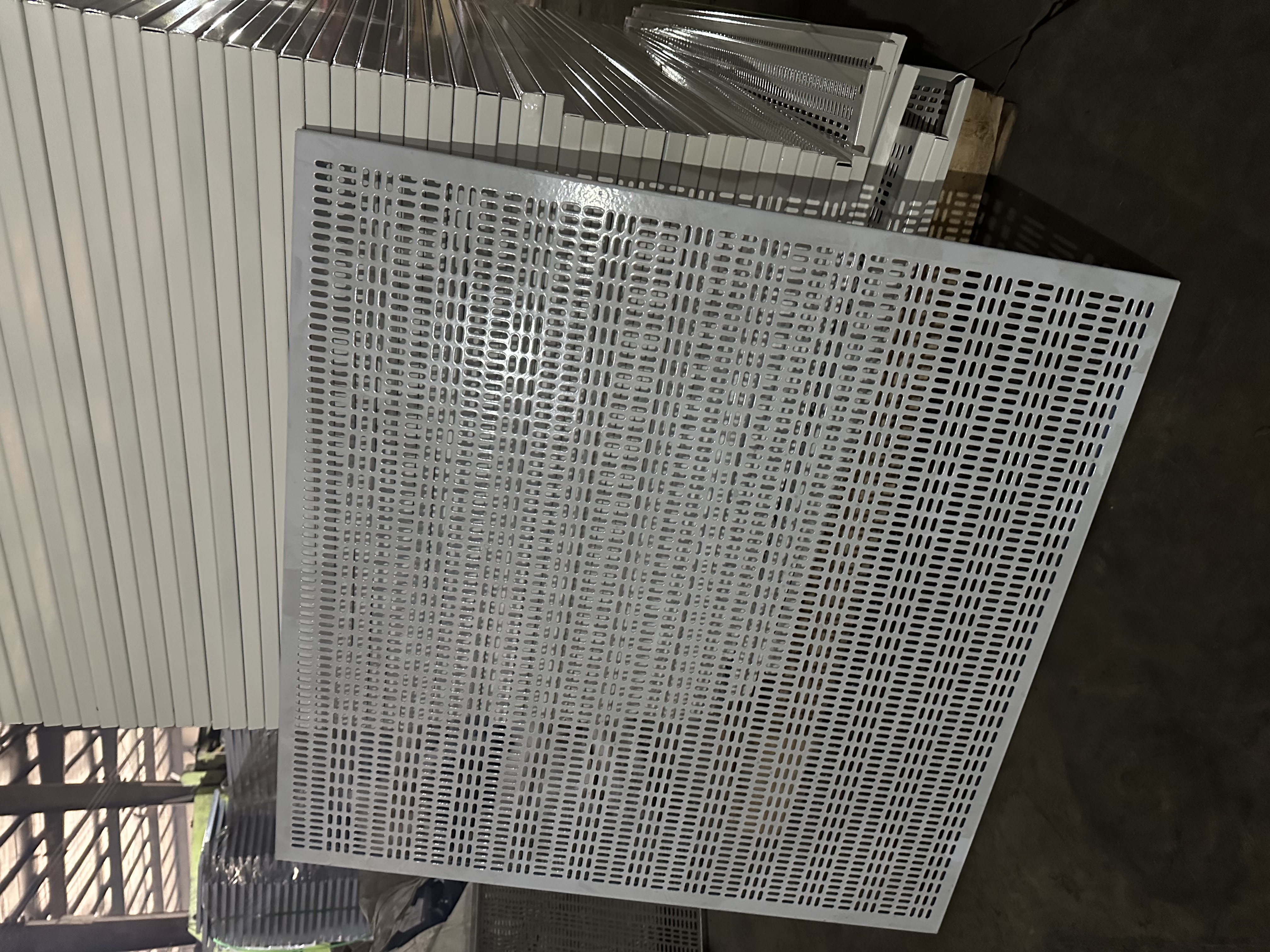
Here’s a comparative look at why integrated manufacturing matters, pitting a traditional "punch-only" job shop against a full-process terminal factory like Hengai Metal:
| Capability | Traditional Job Shop | Integrated Terminal Factory (e.g., Hengai Metal) |
|---|---|---|
| Core Process | Punches holes; outsources finishing. | Punches, cuts (laser), bends, welds, and finishes in-house. |
| Quality Control | Spot checks on hole pattern only. | Dimensional checks on final assembly; weld integrity and surface finish verification. |
| Lead Time | Dependent on sub-contractor schedules (5-7 extra days typical). | Controlled in-house; we reduced one client's order-to-delivery from 25 days to 16 days for a complex filter housing. |
| Cost Structure | Multiple invoices, hidden handling fees. | Single, consolidated quote. No surprise logistics or handling markups. |
| Risk | High risk of tolerance stack-up between parts from different vendors. | Single point of accountability. Precision maintained from coil to crate. |
For a high-end supplier, tolerance matters. For our aerospace and filtration clients, we hold hole patterns to tolerances of ±0.004 inches. This level of precision is nearly impossible to guarantee when a panel is handled by three different factories. It requires the stability of a heavy-duty CNC turret punch press and the rigidity of a machine base that only a dedicated facility invests in.
Actionable Insight: Demand a full process flow chart from your supplier. If they cannot perform laser cutting, precision welding (e.g., TIG for stainless), and post-forming finishing under one roof, you are assuming the risk of coordination failure. Prioritize vendors like Hengai Metal that invest in a complete equipment suite—from turret punch presses to welding booths—to ensure your components are tolerance-consistent.
Data-Driven Case Study: Solving the "Small Batch Bottleneck"
A common pain point, especially in product development, is the reluctance of large suppliers to handle small prototype runs. One startup developing a new acoustic panel system approached us after being rejected by three major manufacturers who required minimum orders of 5,000 units. They needed just 50 pieces to validate their acoustic model.
This is where a flexible terminal factory shines. We accommodated their sample order of 50 pieces, using the same CNC programs that would later scale to their mass production. More importantly, our engineers suggested a shift from a 1.5mm thick aluminum sheet to a 1.2mm high-strength alloy. This reduced their weight per panel by 20% without sacrificing structural rigidity, optimizing their installation hardware costs.
A year later, that startup—now a thriving company—places monthly orders of 4,000 units. Our willingness to support the initial low-volume phase, coupled with metallurgical expertise, built a supply chain partnership that neither a massive rigid corporation nor a small mom-and-pop shop could have provided.
Actionable Insight: Seek a supplier that views your small trial order as a strategic investment, not a nuisance. A true partner will offer Design for Manufacturability (DFM) feedback during the sampling stage. Our team frequently collaborates with clients to optimize hole patterns—adjusting stagger or clearances—to extend die life and reduce part cost by 5-10%, a luxury rarely afforded by high-volume-only producers.
Material Science and Finish: The Final 10% that Defines Quality
The difference between a good perforated panel and a high-end one often lies in the metallurgy and surface engineering. It isn't just about "stainless steel"; it's about selecting the right grade. For instance, in coastal architectural applications, domestic 304 stainless might fail within 5-7 years due to chloride pitting. A high-end supplier should proactively recommend 316L or even specialty alloys, even if it costs slightly more initially, to avoid catastrophic failure later.
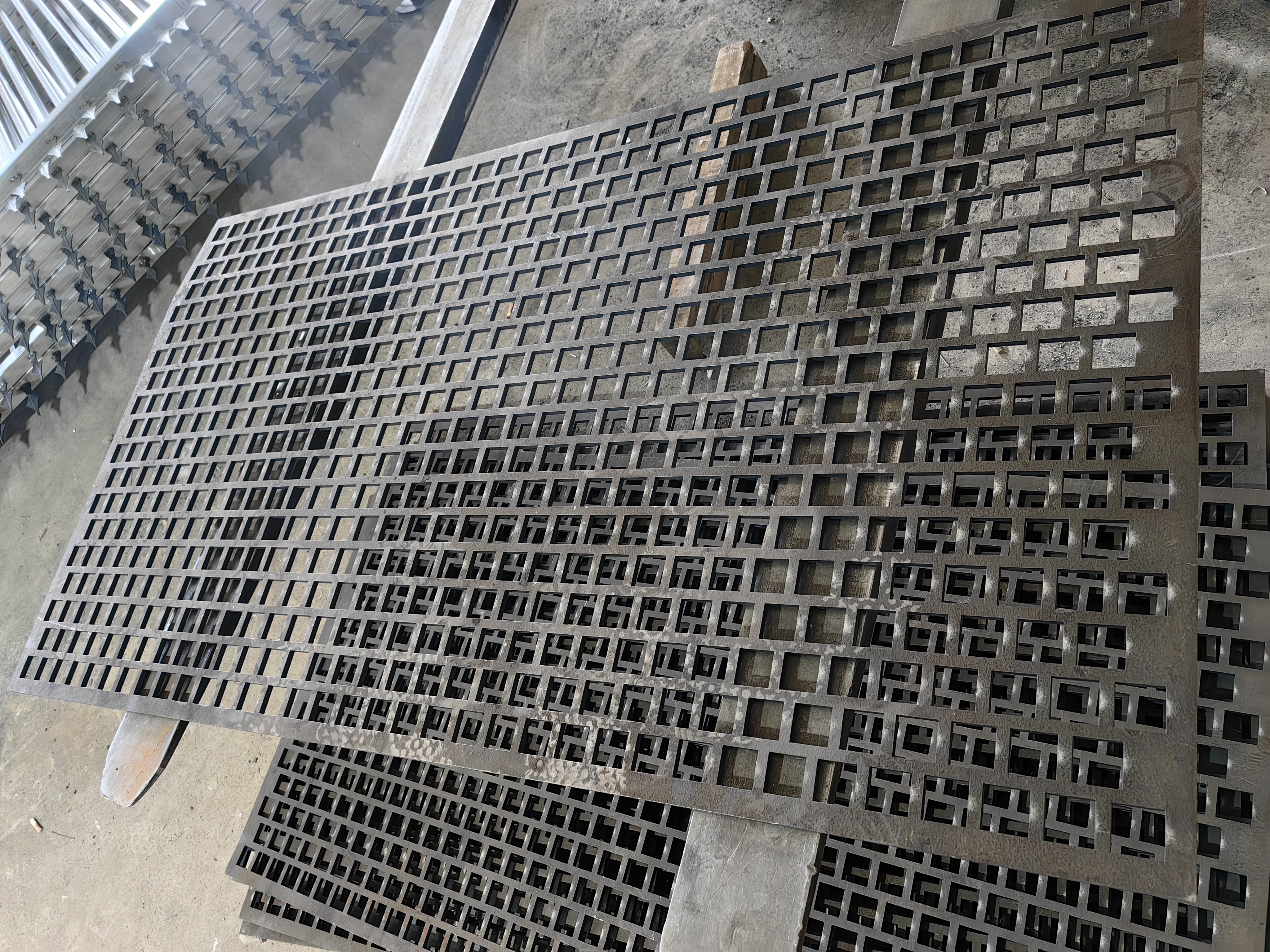
Furthermore, perforating creates micro-burrs. If left unaddressed, these burrs in filtration applications can shred gaskets or cause particulate entrapment, leading to contamination. High-end suppliers invest in deburring and surface finishing lines that are often absent in low-cost operations.
Consider the following surface treatment guidelines we implement at Hengai Metal to ensure longevity:
Outdoor Architectural (Coastal): Powder coating (70/30 polyester) over a zinc-rich primer to prevent under-film corrosion.Food Processing: Electropolishing for 304 stainless to achieve a Ra < 0.8 µm finish, preventing bacterial adhesion.
Industrial Filtration: Anodizing for aluminum components, increasing surface hardness to withstand repeated cleaning cycles.
Actionable Insight: When requesting a quote, specify the end-use environment and ask for a material certification. But don't just settle for "type 304". Ask for the specific mill test certificate. In our experience at Hengai Metal, offering surface finish samples—physical "coupons"—before mass production prevents costly aesthetic rejections down the line. We don't just send a quote; we send a finish standard.
Conclusion: The Strategic Shift to Partner-Led Sourcing
The market for perforated metal is no longer a race to the bottom on price per pound. It is a sophisticated arena where uninterrupted supply, metallurgical acumen, and multi-process capability dictate project success. The legacy model of using a regional distributor may work for commodity volumes, but for high-end, mission-critical applications, the data overwhelmingly supports a direct partnership with a factory.
For organizations looking to secure their supply chain, reduce total cost of ownership by upwards of 20%, and gain a technical partner rather than a transactional vendor, the path is clear.
Next Steps for Readers:
Request an RFQ with a drawing: Challenge your current supplier to provide a DFM analysis.Visit the plant: If your volume justifies it, audit the factory floor. Look for the equipment that matters—laser cutters and welding bays—not just the punch presses.
Check the details: Ask about their burr management policy and measurement equipment. Do they use CMM (Coordinate Measuring Machines) or just calipers?
A reliable supplier doesn't just sell holes in metal; they sell certainty. As we move into an era of more complex design and tighter deadlines, having a terminal factory partner isn't just a nice-to-have—it's a business imperative. Connect with a team that operates the machinery, controls the quality, and has the engineering experience to elevate your next project.