 En
En
Perforated metal sheet cost effective option
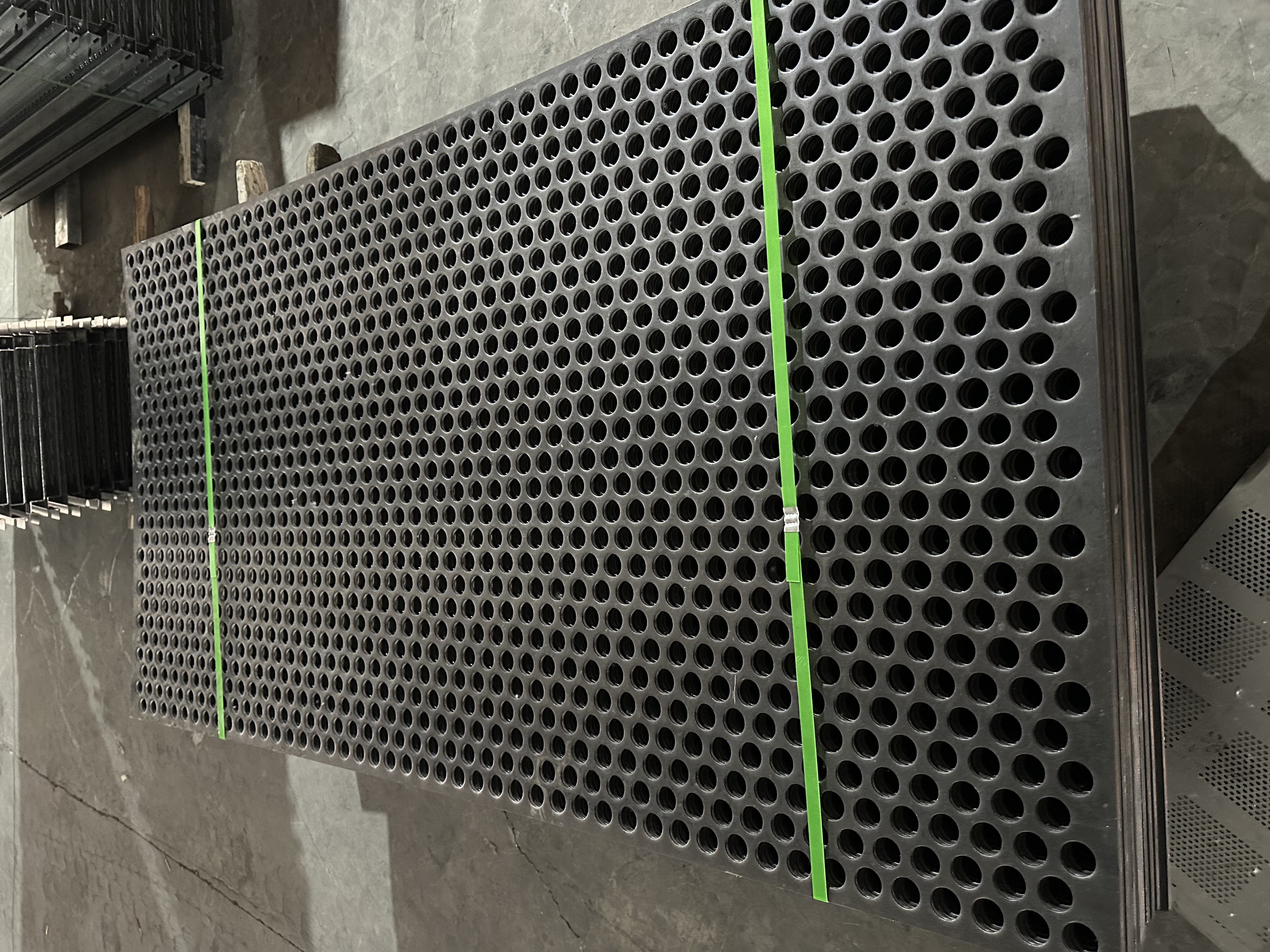
In today’s competitive industrial landscape, every procurement decision is scrutinized for cost efficiency without compromising on quality. For engineers, architects, and purchasing managers, specifying materials often becomes a balancing act between performance, durability, and budget. For decades, solid metal plates or expanded metal were the default choices for screening, filtration, and architectural cladding. However, businesses are increasingly discovering that the perforated metal sheet is not just an alternative—it is often the most intelligent and economically sound option available.
This article dives deep into why perforated metal sheets, particularly those sourced from specialized terminal factories like Hengai Metal (Tianjin Hengai Metal Product Co., Ltd), represent a superior cost-effective solution compared to traditional methods. We will explore the tangible economic benefits, backed by industry data and real-world case studies, and provide actionable insights for your next project.
The True Cost of Ownership: More Than Just the Price Per Pound
When assessing the cost-effectiveness of any material, the initial purchase price is only the tip of the iceberg. The real metric for success is the Total Cost of Ownership (TCO) , which encompasses logistics, fabrication, installation, maintenance, and lifespan. Perforated metal sheets excel in this arena for several concrete reasons.
1. Raw Material Efficiency: Less Weight, Less Cost, Same Strength
One of the most immediate financial advantages of perforated metal is its weight reduction. By removing material in a uniform pattern, the sheet loses significant weight while retaining the vast majority of its structural integrity, depending on the opening percentage.
The Data Point: A typical perforated sheet with a 40% open area retains roughly 60% of its original weight. In comparison to a solid steel plate of the same thickness, a perforated panel weighs 30-40% less.
To put this into perspective:
Logistics: Freight costs are calculated by weight. A truck carrying perforated sheets covers a larger square footage per load than one carrying solid steel plates, reducing shipping costs per square foot by up to 35%.Support Structures: In architectural applications, lighter cladding requires less heavy-duty steel framing. This reduces the cost of structural steel, foundation loads, and installation labor. A building facade project using perforated panels can see a reduction of 15-20% in supporting steel costs compared to using heavier solid materials.
Handling & Installation: On-site, lighter materials are safer and faster to install. By installing perforated panels, a construction crew can increase daily installation output by up to 25%, directly translating to lower labor costs on the project.
2. Unlocking Dual Functionality: Combining Structure with Performance
Unlike solid plates which require costly secondary systems to achieve specific functions, perforated metal inherently provides a combination of utility. This is where its cost-effectiveness truly shines—consolidating multiple materials into one.
Industrial Screening: In mining and aggregate applications, woven wire mesh is common, but it is prone to wear and blinding. Perforated metal screens are heavier and offer a longer service life.Filtration & Ventilation: Perforated sheets provide airflow and light transmission while acting as a physical barrier and filter.
Consider the role of Hengai Metal in producing filtration components. Their deep-processing capabilities allow them to turn a flat sheet into a perforated filter drum or filter cylinder in-house. This eliminates the "middle-man" costs of sending a flat sheet to a separate fabricator for welding and rolling. The ability to combine punching, bending, and welding under one roof—known as an integrated supply chain—reduces acquisition costs by anywhere from 10% to 20% versus coordinating with multiple vendors.
Breaking Down the Cost Advantages for Specific Industries
To truly appreciate the cost-effective nature of these sheets, let’s examine the benefits through the lens of specific sectors.
3. Architecture: Redefining Aesthetics on a Budget
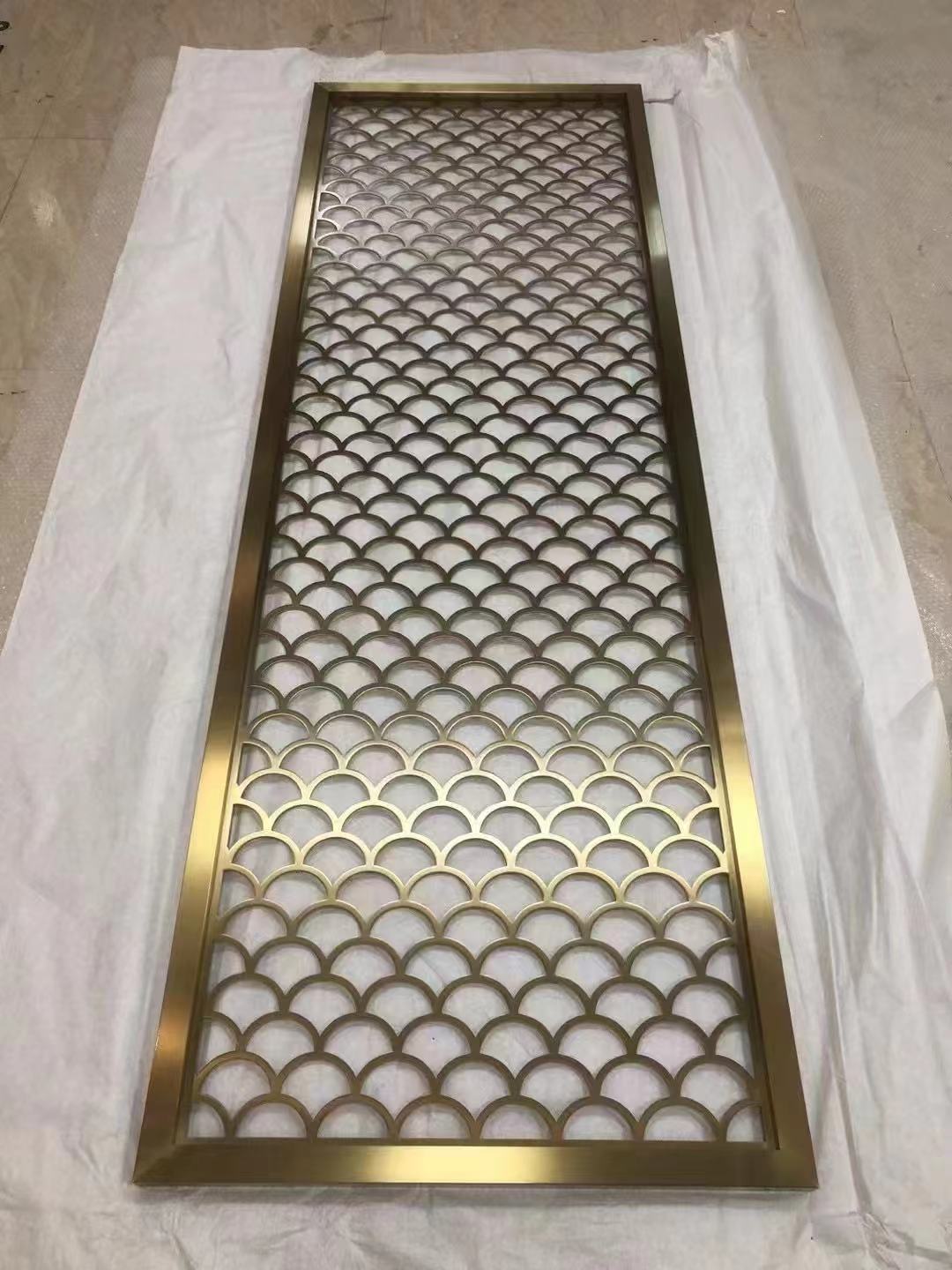
Architects often have elaborate visions for facades that are both visually striking and functionally necessary for shading or ventilation. Traditional materials like custom-extruded aluminum louvers or glass curtain walls offer functionality but at a premium price.
How Perforated Metal Saves Money:
Unified Material: Instead of using 30mm aluminum louvers (which are extruded singularly and expensive to assemble), a single large-format perforated metal panel can achieve the exact same solar shading effect. For example, a "sunshade" created with Hengai Metal's aluminum plates with a 5-10mm hole diameter and a specific opening rate can reduce solar heat gain by up to 50% while costing 30% less than custom louver systems.Flat-Pack Shipping: Perforated sheets can be shipped flat and applied as skins over framing. This is significantly cheaper than prefabricated heavy box sections.
Case Study Application: For a commercial facade project, Hengai Metal supplied stainless steel perforated sheets with custom oval holes. By utilizing a thinner gauge material (supported by the inherent rigidity of the perforation pattern) and a coil coating process, the client saved 25% on material costs compared to the previous solid steel "feature wall" design, all while achieving a more dynamic, modern appearance.
4. Industrial Filtration & Processing: The Durability Dividend
In the world of industrial filters, replacing filters is not just a maintenance cost; it is a cost of downtime. When production stops, revenue stops.
The Cost Analysis:
Wire Mesh vs. Perforated: While sieve screens made of braided wire mesh are cheaper upfront, they wear out faster and require constant tensioning. A perforated screen, particularly in a robust material like stainless steel or hardened carbon steel, can last 3 to 5 times longer than wire mesh. Therefore, despite a higher initial purchase price, the Cost-Per-Ton-of-Material-Processed is substantially lower. Add in the reduced labor hours to change screens, and perforated metal quickly becomes the cheaper option.Customization for Longevity: Working with a factory that can custom-specify the material is key. Hengai Metal specifically assists clients in selecting the right material—be it stainless steel for corrosion or durable carbon steel for abrasion. This is a cost-saving measure because it prevents the failure of a "cheap" part in a high-wear environment.
5. Noise Control (Acoustics)
Noise pollution is a growing concern in both industrial and architectural settings. While acoustic foam and barriers are common, they often lack durability and can be a fire hazard.
The Efficient Solution: Perforated metal used as a protective facing for acoustic panels is highly effective. The sheet protects the insulation inside from damage while allowing sound waves to penetrate. This increases the lifespan of the acoustic core significantly, meaning you replace the sound-absorbing material less often—a hidden long-term saving. Additionally, safety covers and machine guards made of perforated metal permit airflow and reduce noise levels by up to 10 dB while protecting workers—combining safety compliance with acoustic control.
The Hidden Danger: Why "Cheap" Supplier Quotes Are Often Costly
In searching for cost-effective options, many buyers fall into the trap of chasing the lowest initial quote from trading companies or middlemen. This contradicts the concept of true cost-effectiveness.
6. When To Choose a Terminal Factory (The Hengai Metal Advantage)
Trading companies often have no control over production. If a sheet is punched incorrectly or has excessive burrs that damage downstream equipment, the buyer faces a difficult returns process and a project delay.
Choosing a "terminal factory" means you are buying from the source. This offers specific financial advantages:
Eliminating Markups: By working directly with Hengai Metal as a terminal factory, you remove the 10%-20% markup added by trading layers and agents. This brings you closer to the actual manufacturing cost, providing a clearer price advantage.Quality Control & Waste Reduction: An integrated factory can inspect the product at every stage. This assures that the structural integrity of the sheet is maintained. They can also produce components with integrated bends and holes, ensuring perfect alignment. In contrast, parts fabricated in separate shops often suffer from tolerance misalignment, leading to wasted material and costly rework.
Our Perspective: We have seen instances where a client received a quote from an intermediary at an aggressive price, only to discover that the "clear" holes were actually punched on a worn press, leaving jagged edges that cut into packaging materials. The cost of field rework and shipping delays outweighed the "savings" dramatically.
By partnering with a manufacturer like Hengai Metal, which boasts full-process equipment—perforating, laser cutting, bending, and welding—you ensure that a single responsible party is answerable for the quality. This reduces the "Cost of Poor Quality" (COPQ), which is often an invisible drain on corporate budgets.
Practical Tips to Maximize Cost Savings on Your Next Order
To fully leverage the cost-effectiveness of perforated metal, consider these actionable steps to ensure you are getting the best value for your specific application.
7. Optimize Material and Thickness
Don't Over-Specify: Many engineers specify stainless steel to avoid rust in outdoor environments when modern galvanized steel or aluminum might be sufficient. A reputable partner like Hengai Metal will guide you through the selection process. For outdoor architectural features not in coastal zones, Galvalume or plain aluminum offers massive cost savings compared to 304 stainless steel, specifically reducing raw material costs by up to 40%.Thickness vs. Strength: Understand that perforating a metal sheet actually increases its rigidity in some ways, similar to corrugation. You might be able to drop a metal gauge (e.g., from 14 ga to 16 ga) without sacrificing structural performance, leading to lighter weight and direct material cost savings of roughly 15%.
8. Leverage Standard Tools and Patterns
While custom holes (like diamonds or hexagons) look excellent, they may require custom-made dies that add to the upfront cost.
Standard Dies: Standard round holes in common diameters (e.g., 1/8”, 3/16”, 1/4” holes) are punched using standard tooling. If your project allows, sticking with standard hole sizes and staggering patterns will accelerate production speed and reduce or eliminate tooling fees.Ask for Tooling Advice: A good supplier will suggest alternative tooling if they see a pattern that might eventually break or cause excessive wear. If they advise you against an extremely narrow bridge (the space between holes), listen to them—changing this will reduce the risk of sheet cracking and prevent down-the-line warranty issues, potentially saving you money on replacements.
9. Deep Process Integration – Reduce Vendor Overheads
The most effective way to lower your TCO is to reduce the number of vendors.
The Single-Vendor Rule: Instead of buying flat sheets and sending them to a laser-cutter, then to a bender, and then to a welder for a final product, look for a manufacturer like Hengai Metal that offers OEM/ODM and deep processing.Action Point: When requesting quotes, do not just ask for a flat sheet. Send them your intended 3D drawing for the final component (e.g., a filter barrel or a duct cover). Complex parts that require punching, bending, and welding arrive at your facility ready to install. This eliminates the cost of shipping a flat part to a fabricator and the risk of handling damage, effectively reducing your logistics and fabrication costs by up to 15%.
Overcoming Procurement Challenges: The Minimal Order Quantity (MOQ) Factor
One of the biggest frustrations in modern procurement is finding a manufacturer who is willing to process small batches without exorbitant fees. This is particularly relevant in prototyping. Many large-scale steel mills require massive bulk orders, excluding smaller businesses from accessing custom perforation.
10. The Value of Flexible Production
A true cost-effective partner isn't just about low prices for giant orders; it's about flexibility. Startups and machinery builders often require small runs for a new machine prototype.
If you are a product designer, you do not want to pay a high "machine setup" fee that takes hours for a test panel.Hengai Metal’s Approach: Because we run a complete factory, we can slot small "trial" orders into our existing schedule. We assist with design optimization to ensure that your prototype can eventually be scaled up without expensive tooling changes. This transparency ensures you only pay for the material and the machine time, not an inflated surcharge for a "small batch" process.
This capability lowers the barrier to innovation, allowing you to test and iterate without risking large capital, which in the long run is a massive cost-effectiveness benefit.
Conclusion: A Strategic Choice for the Future
Perforated metal is unequivocally a cost-effective solution when evaluated through the lens of lifecycle costs, functional integration, and procurement savings. It is not merely about the price of the sheet; it is about economies of scale, lower installed costs, and superior lifespan.
By choosing a partner that offers one-stop services, such as Hengai Metal, you optimize your supply chain, reduce your logistical burden, secure transparent pricing, and gain access to free technical consultations for material selection. Whether you are looking for lightweight architectural panels or heavy-duty mining screens, perforated metal provides an unbeatable balance of price and performance.
Ready to optimize your project costs?Explore the versatility of perforated metal. Send your specific drawings and requirements to a terminal factory to see just how much money you can save on your very first adjustment. The data is clear: smart material choices lead to better bottom lines. It is time to put holes in your expensive solid steel design—to save money, not to lose it.