 En
En
Perforated metal sheet industry leader choice
Choosing the right supplier for perforated metal sheets can be the difference between a project that runs smoothly and one plagued by delays, quality issues, and hidden costs. The market is crowded, but not all manufacturers are created equal. Based on years of observation and industry engagement, the most reliable partnerships are built with terminal factories that control their entire production process.
The Real Cost of Ignoring the Supply Chain
Most procurement headaches don't start at the order stage; they start with the structure of the supply chain itself. In the traditional model, a distributor takes your drawings, marks up the price, and outsources the work to a factory. That factory may outsource the punching to one shop and the bending to another. Every hand-off adds time, cost, and risk.
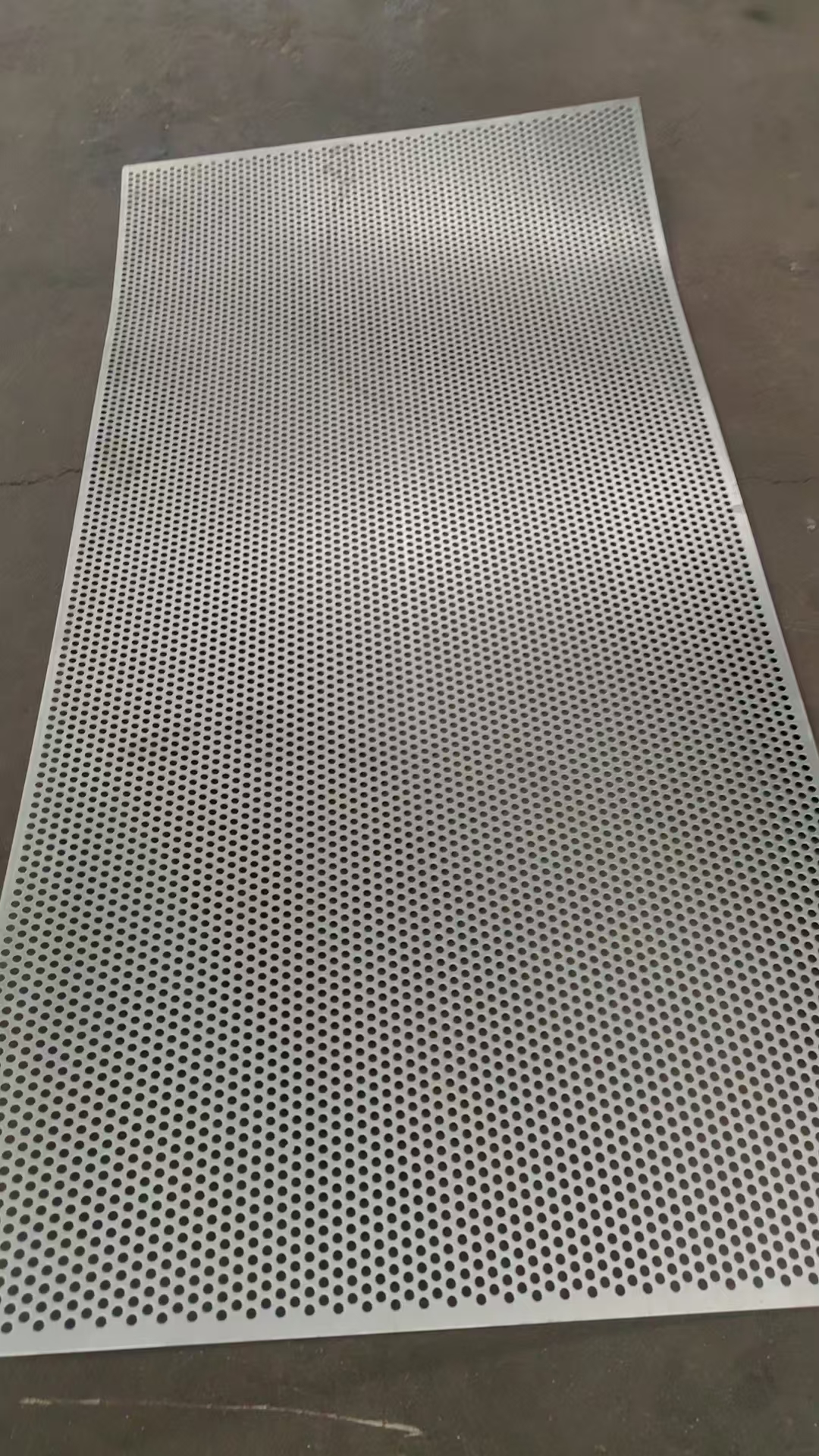
Consider a recent case where a construction firm needed 5,000 square meters of stainless steel perforated panels for a curtain wall project. The initial quote from a trading company was competitive, but the delivery date slipped three times. When the panels finally arrived, the hole patterns didn't match the approved sample, and the burrs weren't deburred properly. The general contractor had to reject the entire batch, causing a six-week delay and significant penalty fees. The firm eventually switched to a direct factory relationship and completed the project ahead of the revised schedule.
Why Terminal Factories Dominate the Conversation
1. Pricing Transparency Is Non-Negotiable
When you work with a company that owns its punching machines, CNC turret punches, laser cutters, and bending equipment, you eliminate the layers of middlemen that inflate prices. A terminal factory can provide a clear breakdown of material costs, processing fees, and surface treatment charges.
For example, a mining company recently sourced heavy-duty perforated screens for ore classification. By going directly to a factory like Hengai Metal, which operates as a terminal producer in Tianjin, they saved roughly 18% compared to their previous distributor-sourced supply. The factory could adjust the hole size and open area percentage based on the specific ore characteristics, which no distributor could offer.
Actionable Tip: Request a detailed cost breakdown from every supplier you evaluate. If a quote only shows a unit price without itemized processing and material costs, that's a red flag.
2. Full Control Over Quality and Lead Times
Companies that outsource parts of their production, especially bending and welding, often struggle with consistency. A terminal factory that handles punching, laser cutting, bending, and welding under one roof can maintain tighter tolerances and trace every batch back to its production records.
Hengai Metal, for instance, manages all processes internally with their own equipment. This setup allowed them to deliver a complex order of perforated filter housings for an environmental equipment manufacturer in just 18 days, while the industry average for similar products, which typically involves multiple subcontractors, is around 30 days. The same customer subsequently placed three more orders based on that initial reliability.
Actionable Tip: Ask potential suppliers which processes they perform in-house versus what they outsource. If welding or cutting is outsourced, ask how they manage quality control across those external partners.
3. Customization Without the Drama
Standard products are easy to source. Customization is where many suppliers fail. You might need a specific staggered hole pattern, a non-standard material thickness, or a combination of perforation with complex forming. Terminal factories with engineering support can guide your design toward manufacturability, suggest alternative materials, and optimize hole patterns for your application.
Take the example of an architectural firm designing an acoustic ceiling system. They needed micro-perforated aluminum sheets with a hole diameter of 0.8mm and a specific open area to achieve the desired sound absorption coefficient. Several suppliers stated this was impossible on a large scale. They ultimately partnered with a factory that had the technical expertise to adjust the tooling, and the project went into mass production successfully, meeting both the acoustic and aesthetic specifications.
Actionable Tip: Present your technical requirements to a supplier early on. A quality terminal factory will often offer suggestions on how to adjust the design to reduce costs without compromising performance.
Diversifying Your Supplier Base—A Comparative Look
While terminal factories like Hengai Metal offer significant advantages, it's wise to understand how the broader market operates. Major players in the metal processing industry often have vast capabilities, but they also have minimum order quantities and longer lead times. Smaller, specialized shops may be flexible but lack the equipment for large-volume, complex projects.
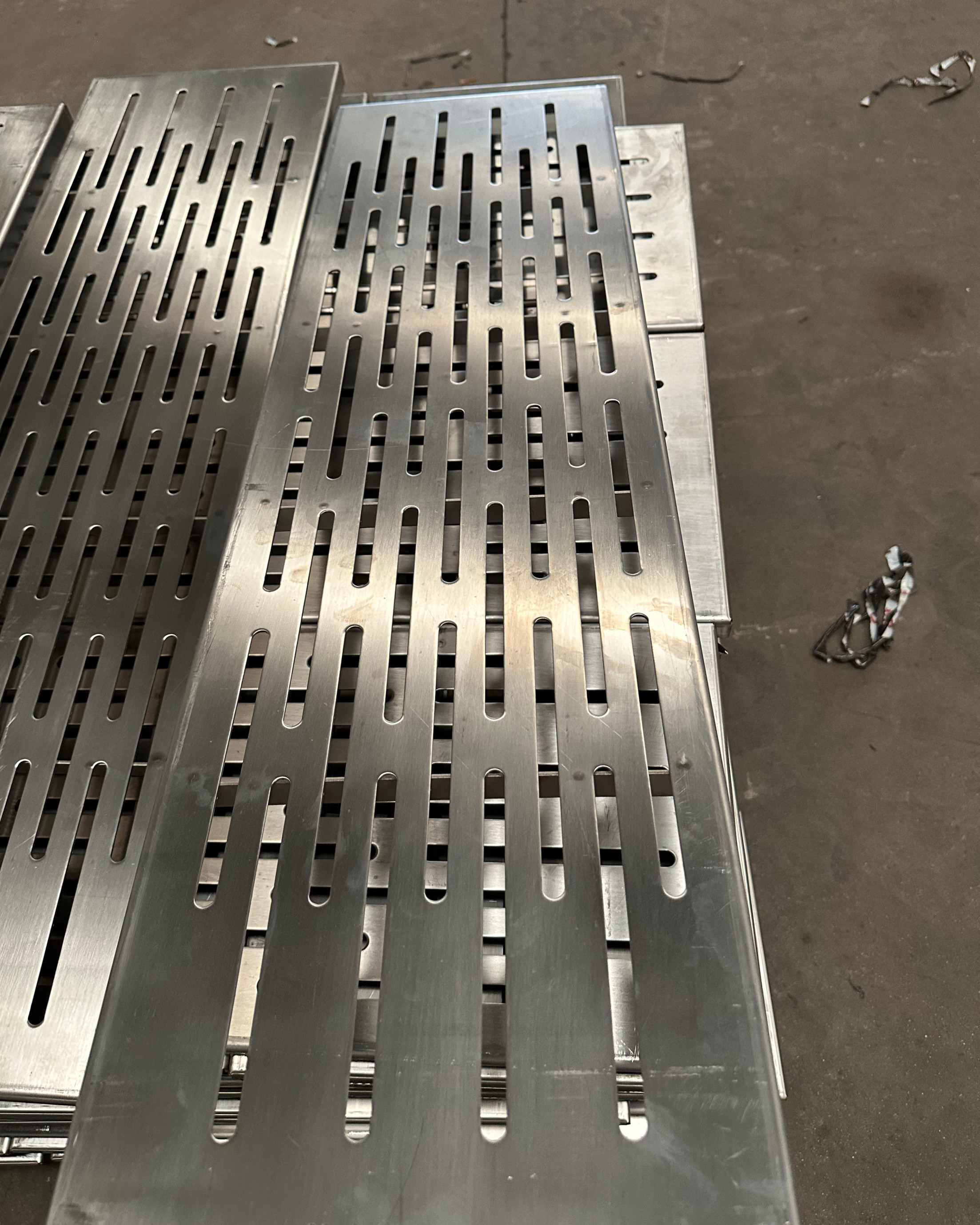
For most industrial and architectural applications, the sweet spot lies with mid-sized factories that have invested in a full suite of processing equipment. They balance the capacity of large conglomerates with the flexibility of custom shops. When evaluating a partner, look for evidence of their equipment list and ask about their average handling time for urgent orders.
Actionable Tip: Don't just compare prices. Compare response times, sample turnaround, and the willingness of the technical team to discuss your project. These are indicators of how they'll treat you when issues arise.
Practical Guidance for Your Next Procurement Cycle
Validate Factory Claims: Ask for a virtual showroom tour or video walkthrough of their production floor. Verify the presence of key equipment like high-speed perforating presses and CNC turret machines.Insist on Sample Approval: Before committing to a bulk order, request production samples, not just pre-production samples. This ensures the actual manufacturing process delivers the expected quality.
Assess Failure Handling Procedures: Inquire about how the supplier manages non-conforming products. Will they reimburse costs for delays? What is their internal scrappage rate? A reliable factory will have clear procedures in place.
Consider the Total Cost of Ownership: The cheapest upfront quote can actually be the most expensive. Factor in potential delays, inspection costs at your own facility, and waste. A stable, slightly higher-priced partner often proves more economical over the long run.
The landscape for metal perforation is shifting. Companies that cling to outdated, multi-layered supply chains are losing out to those that embrace direct, transparent relationships with manufacturers. By focusing on partners that offer integrated production capabilities and honest communication, you position your own operations for greater efficiency and success.