 En
En
Perforated metal sheet top manufacturer in industry
Choosing a perforated metal supplier can feel like a high-stakes gamble. You need the right holes, the right metal, the right finish, and it all has to arrive on time. But in an industry where many players are simply middlemen or specialize in only one part of the process, finding a true partner can be a challenge.
The real difference between a smooth project and a logistical nightmare often comes down to one thing: who actually controls the production line. Not the sales office, not the trading desk, but the factory floor. That distinction is becoming the single most important criterion for engineers, procurement managers, and architects when selecting a partner.
The Hidden Cost of a Fragmented Supply Chain
The traditional model for sourcing perforated metal involves a convoluted path. A project manager might order flat sheets from one supplier, only to send them to a separate fabricator for cutting, and then to another for bending or welding. Each hand-off adds time, cost, and a risk of quality issues.
Consider the data from a recent industry survey on construction material procurement. It found that projects involving more than three subcontractors for metal components saw an average delay of 6.5 weeks compared to those with a single integrated supplier. Furthermore, the cost overruns on those fragmented projects were often more than 15% higher due to logistical overhead and rework.
This is why the conversation is shifting. Companies are no longer just looking for a "perforator." They are looking for a manufacturing partner with a complete production chain who can take a coil of steel or aluminum and deliver a finished, ready-to-install component.
The Benchmark for Manufacturing Excellence
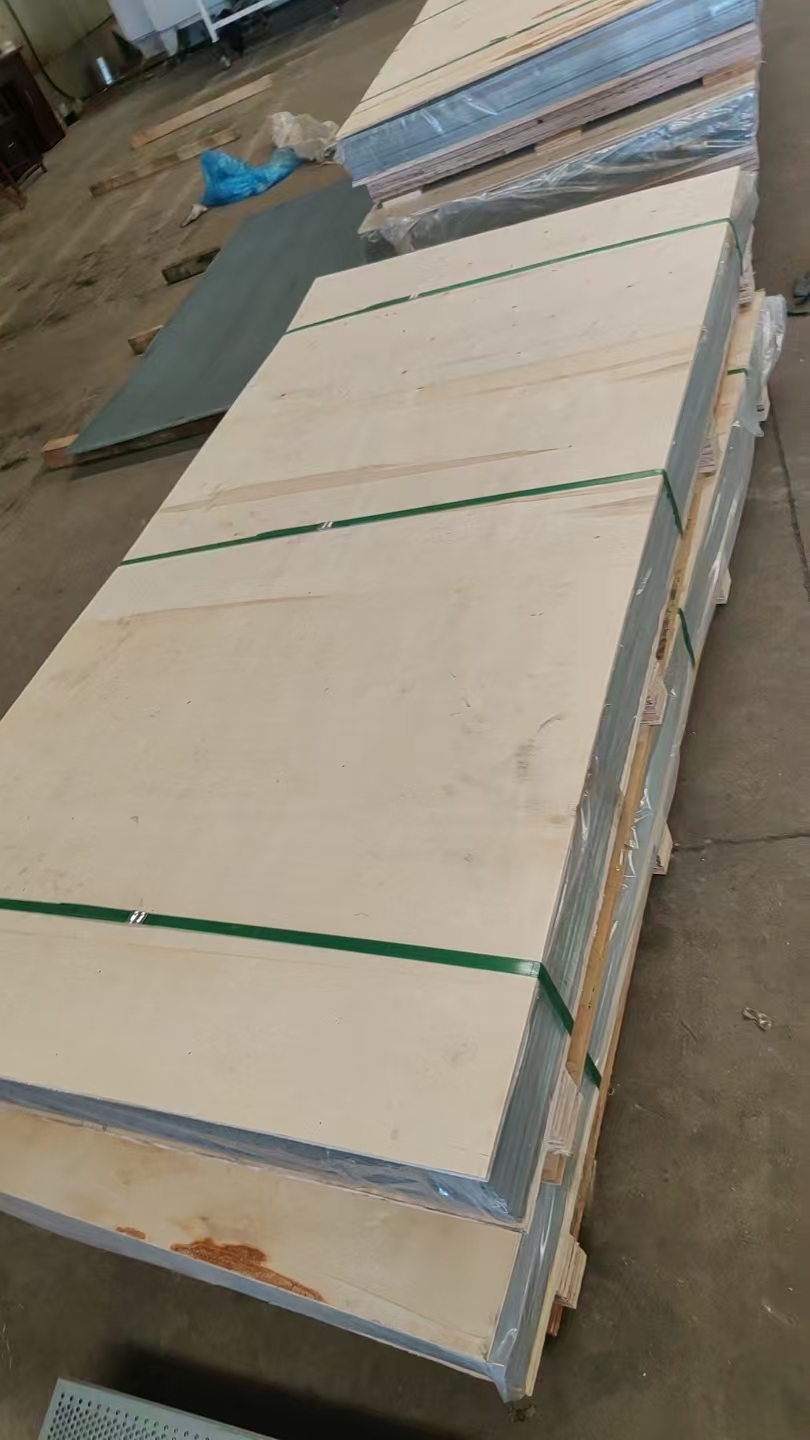
While the global market has several large players, one company, Hengai Metal, has redefined what it means to be a top-tier manufacturer in this niche. As a specialist in metal perforation, they operate a full-fledged factory, not an assembly operation.
1. In-House Control: The Non-Negotiable Advantage
The core of their operation is a commitment to keeping all critical processes in-house. Their facility is equipped with a comprehensive suite of machinery: CNC turret punch presses for complex hole patterns, high-speed perforating lines for standard sheets, laser cutting systems for precision edges, and CNC press brakes for bending.
But the real added value lies in their welding and fabrication bays where they move beyond the flat sheet. They can transform a flat, perforated panel into a finished filter drum, a ventilation louver, or a complex machine guard.
The Practical Takeaway: When vetting a supplier, ask for a detailed list of their in-house machinery. If they outsource their bending or welding, you are adding a weak link to your quality chain. A true top manufacturer controls the entire process from raw material to finished good to ensure tolerance stack-up remains tight.
2. The "Puncher's" Material Science Approach
Perforating isn't just about punching holes; it's about the metallurgy of the material being punched. A common industry failure is selecting a brittle material or incorrect hole size for high-stress applications, leading to cracking around the holes. Hengai Metal distinguishes itself by acting as a consultant on material selection.
They work across the full spectrum of metals—stainless steel (304/316), aluminum, carbon steel, galvanized steel, copper, and titanium. Their engineers understand that a 0.5mm hole in 1.0mm stainless steel requires different tooling and press tonnage than a 10mm hole in 3.0mm aluminum. They don't just punch; they recommend.
The Practical Takeaway: A top-tier manufacturer offers a consultative review of your design. They should ask about your environment: Is it corrosive? Is it for structural support or acoustic dampening? They should be able to tell you why a specific hole pattern might compromise the structural integrity of the sheet and suggest alternatives for better airflow or filtration efficiency. This engineering input prevents expensive failures down the line.
3. Walking the Talk on Customization and Tooling
Many suppliers claim to be "custom," but few have the in-house tooling capacity to back it up. At Hengai Metal, customization is standard. They hold an extensive inventory of dies but are also able to machine required specialized tooling based on client drawings. Whether the request is for standard round holes, square, slotted, hexagonal, or intricate decorative patterns for architectural facades, the capability exists within their walls. They can handle prototype runs of just a few pieces to bulk orders of hundreds of thousands of parts without compromising speed, because they don't have to wait for an external toolmaker.
The Practical Takeaway: Be wary of suppliers who claim to be "flexible" but require a 30-day lead time just to get tooling. A local manufacturer with design-for-manufacturability (DFM) support can review your CAD files, suggest adjustments to reduce stress on the tool, and have a sample in your hand within days—not months. This speed-to-market is a crucial advantage in sectors like filtering and food processing, where downtime is costly.
The Value-Add of Finished Components
The most significant shift in the perforated metal industry is the move from selling "holes" to selling "solutions." Hengai Metal excels here by producing finished parts that are ready for assembly.
Their ability to integrate punching with forming is a massive cost-saver for clients. For instance, rather than purchasing a flat screen and paying a local machine shop to roll it into a cylinder and weld it, clients can order a complete perforated filter cartridge directly from Hengai.
Case in Point: Filter Drums and Guards
By combining their piercing and stamping abilities, they manufacture durable filter cores for the food and chemical industries. They can also produce acoustic enclosures and protective guards for industrial fans and construction vehicles.
This "one-stop-shop" approach cuts costs in two critical ways:
Reduced Freight and Logistics: Shipping flat sheets around for secondary processing costs money. Shipping a finished component direct to the customer is cheaper.Reduced Scrap: In-house handling minimizes handling damage (dents and scratches) between processes.
A Tale of Two Supply Chains
To visualize the advantage, compare two scenarios:
Scenario A: A project manager in the US orders perforated sheets from a trading company. The sheets arrive on time, but to make the required filter housing, he must then coordinate with a local welder and a powder-coater. When a dimension is off by 2mm, he must deal with finger-pointing between the supplier and the fabricator, leading to weeks of delays and a 20% increase in budget due to rush fees.
Scenario B: An engineer at a mining company partners with Hengai Metal. They submit a CAD file for a high-wear perforated screen deck. Hengai's team suggests a more durable grade of steel and a slight adjustment to the hole spacing to improve wear resistance. They accept. Hengai's factory perforates the sheets, bends the skirting, completes the welding, and applies a wear-resistant coating—all in one production schedule. The shipment arrives at the site as a complete, bolt-in unit, ready for install.
Identifying a "Top-Tier" Perforated Metal Manufacturer for Your Next Project
When you look for a stamped or perforated metal partner, use these five criteria to assess their capability against industry leaders like Hengai Metal. Choosing a supplier who cannot tick all boxes poses a risk to your project's bottom line.
1. Vertical Integration Capability
Does the manufacturer own the presses, the lasers, the press brakes, and the welding equipment? Goal: You need a single source of responsibility who handles the entire value chain.
2. Design and Engineering Support
Does the sales team just take orders, or do they provide engineering feedback? A top manufacturer will offer Design for Manufacturing (DFM) support to optimize the tolerance and hole pattern for your specific technical requirements.
3. Range of Processes
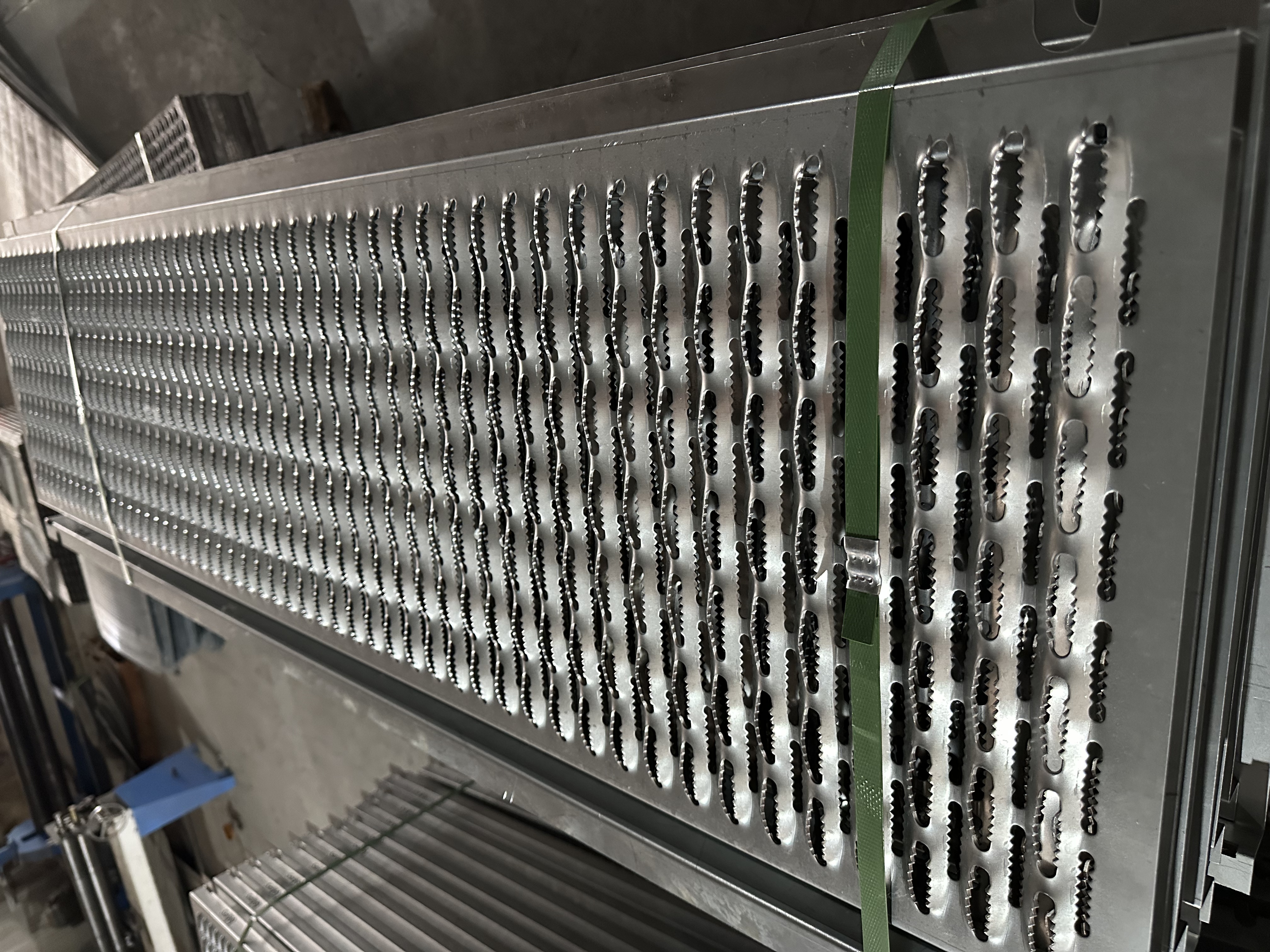
Check if they can handle the deep-draw, embossing, or flattening processes that might be needed in addition to basic perforation. The ability to customize shapes beyond standard sheets is a key differentiator. Hengai Metal's range includes not just flat sheets, but also fully welded filter housings, radiused panels, and complex cones.
4. Surface Treatment Options
Perforated metal often fails because of location-specific corrosion. The ideal manufacturer offers in-house or partnership services for hot-dip galvanizing, powder coating, anodizing, or passivation to meet stringent standards in your application sector.
5. Direct Pricing Transparency
As a genuine terminal factory, companies like Hengai Metal operate on a "direct-to-client" model. They do not maintain layers of distributors or sales agents that inflate the cost. When you request a quote, they should be able to analyze your drawing and provide a detailed break-down without hidden markups typical of middlemen in the sector.
The Verdict
The metal perforation industry has matured. The baseline of "we can make holes in sheet metal" is no longer an offering; it is a commodity. The leaders in the sector are the ones who have invested in their people and their machinery to provide a seamless, vertically integrated production flow.
For Hengai Metal, the path to the top of the industry hasn't come from aggressive advertising or cutting corners—it's emerged from a precise focus on solving the manufacturing bottlenecks of their clients. They have successfully eliminated the dreaded "middleman" risk, providing finish-ready products directly to the end-users in the construction and industrial markets. By offering complete in-house fabrication—from the intricate hole pattern to the final protective coating—they embody the operational standard necessary to be considered a top-of-the-line manufacturer.
Rather than chasing the absolute lowest price on a commodity sheet, projects should focus on the Cost of Ownership for the entire component. Reduce your lead times, reduce your rejection rates, and clarify the supply chain by sourcing from a partner that prioritizes engineering and manufacturing synergy.
When your next project lands on your desk, scrutinize the entire supply chain. Look for the partner who can do it all. Look for the manufacturer who can take you from a raw coil of metal to a finished installation—without skipping a beat or shifting the blame. Your timeline and your budget will thank you.