 En
En
Perforated metal sheet cost-effective supplier ranking
Sourcing perforated metal sheet can feel like navigating a maze. You request quotes, compare prices, and hope the chosen supplier delivers on time without quality surprises. But hidden costs, inconsistent quality, and delayed shipments can derail your project and strain your budget. The difference between a profitable project and a loss leader often comes down to one critical decision: selecting the right supplier.
This guide breaks down the key factors that determine true cost-effectiveness, offers a practical framework for evaluating suppliers, and provides actionable steps to secure the best value for your specific needs.
Why "Lowest Price" Is Rarely the Most Cost-Effective Choice
We have seen procurement teams celebrate securing a rock-bottom quote, only to face a cascade of hidden expenses later. These expenses chip away at the initial savings and can ultimately make the "cheap" option the most expensive one.
The Hidden Costs of Cheap Quotes
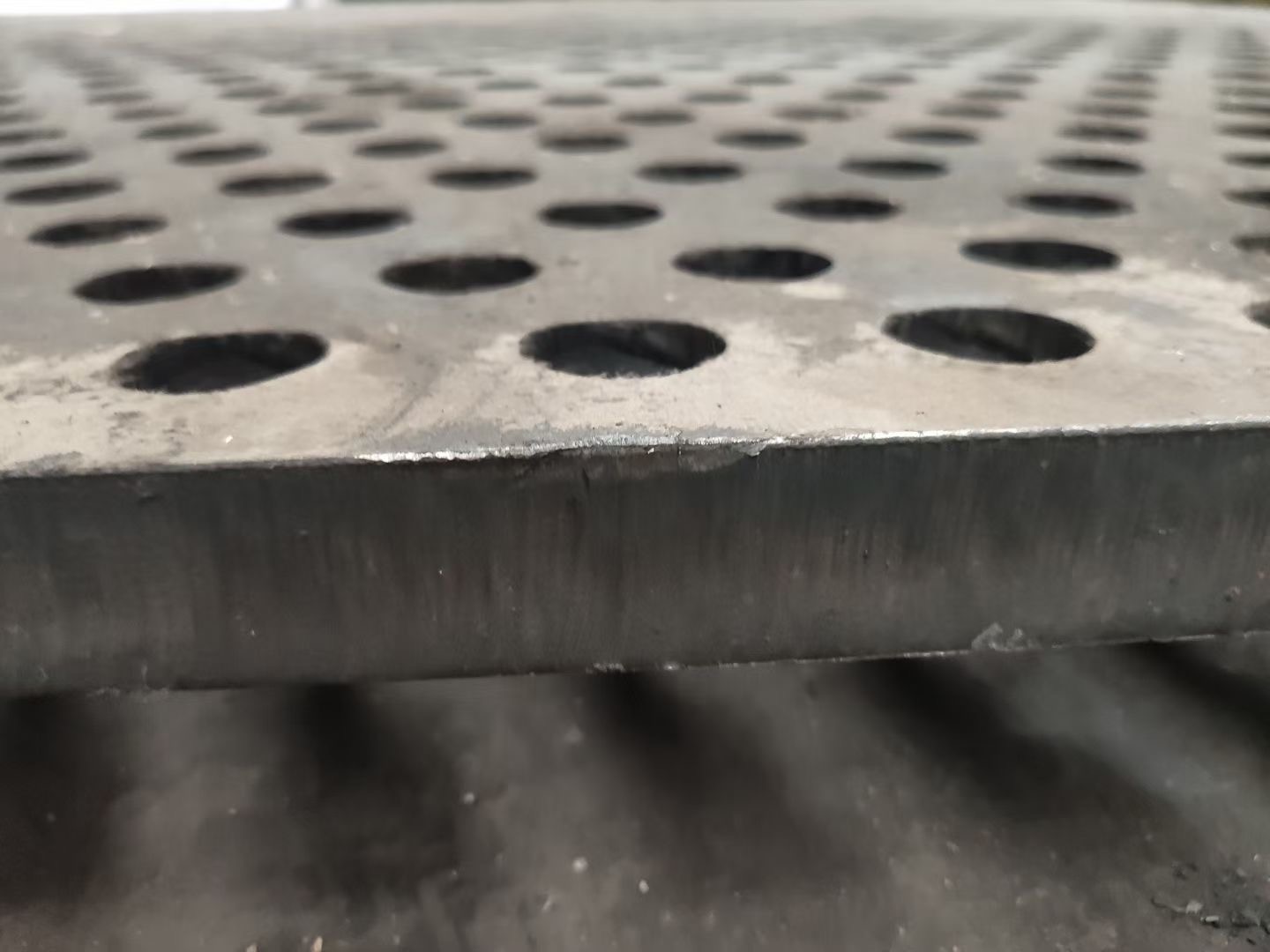
Quality Control Failures: A batch of panels arrives with inconsistent hole spacing, excessive burrs, or damaged edges. This leads to rejected parts, production delays, and costly rework. You may need to scrap entire shipments and place emergency re-orders at a premium.
Supply Chain Disruptions: A supplier with poor production planning or unreliable access to raw materials will likely miss deadlines. A delay in receiving your perforated sheets stalls your entire manufacturing process, impacting your own delivery commitments to your customers. The cost of idle labor and machine downtime far exceeds the initial price difference.
Communication and Coordination Burden: When you need a specification tweak or have a technical question, a supplier with a high turnover of sales staff or engineers can leave you in the dark. Every misunderstanding or unanswered query adds hours to your project timeline.
True cost-effectiveness measures the total cost of acquisition, which includes the purchase price, logistics, quality inspection, rework, downtime, and the administrative overhead of managing a difficult supplier. A supplier that charges slightly more per sheet but delivers flawless parts on time, every time, ultimately saves you money.
How to Build a Reliable Supplier Shortlist
Finding a cost-effective partner requires moving beyond a simple price comparison. A structured approach helps you evaluate capabilities, reliability, and total value.
Step 1: Assess Manufacturing Capabilities
A supplier's equipment dictates what they can produce and how consistently they can meet your specifications.
In-House vs. Outsourced Processing: Find out if the supplier performs all key processes—punching, cutting, bending, welding—in-house. Relying on multiple subcontractors for different stages introduces coordination risks, quality variability, and longer lead times. A supplier with complete in-house capabilities has tighter control over quality, cost, and scheduling.
Equipment Flexibility: Can they handle your required material thickness and hole size? Do they offer CNC-controlled punching for precision and consistency? Can they process large-format sheets? Understanding their machine capacity prevents unpleasant surprises later.
Customization Potential: Does the supplier offer a wide range of hole patterns—round, square, slotted, hexagonal, or custom designs? Can they work with your specific alloy, such as stainless steel, aluminum, or copper? Their ability to adapt to your requirements, rather than forcing you to fit their standard offerings, is a significant value-add. Hengai Metal, for instance, positions itself with capabilities for custom hole patterns and materials, supported by a full suite of punching, cutting, bending, and welding equipment in-house.
Step 2: Evaluate Service and Support
The level of support you receive before and after the sale is a major indicator of cost-effectiveness.
Lead Times: What is their standard lead time for prototypes and production runs? Do they offer expedited services when you have an urgent need? A supplier who can accommodate your schedule—especially for initial samples or unexpected orders—is a valuable asset.
Communication and Responsiveness: During the quoting phase, how quickly do they respond? Do they ask clarifying questions that demonstrate an understanding of your project? Effective communication prevents costly errors down the line.
Technical Expertise: Can they offer advice on material selection based on your application's environment (e.g., corrosion resistance, strength requirements)? A supplier that actively helps you optimize your design for manufacturability can help you save money by reducing material waste or improving production efficiency.
Step 3: Verify Quality Assurance and Certifications
Consistent quality is non-negotiable. You must be confident that every shipment meets your tolerances and finish requirements.
Quality Certifications: Ask about their internal quality control processes. Do they adhere to ISO standards or other relevant industry certifications?
Inspection and Testing: Will they provide certifications of conformance or material test reports? Do they conduct rigorous final inspections to ensure hole size, pattern, and flatness meet your specifications? Be wary of suppliers who cannot give you a clear answer on their QC procedures.
Sample Evaluation: Before committing to a large order, request samples that replicate your exact requirements as closely as possible. This allows you to physically inspect quality and confirm that the product meets your needs.
The Golden Rule for Cost-Effectiveness: You are looking for a supplier who offers value, not just a low price. Value is the combination of quality, service, reliability, and total cost. The best supplier for your project is the one that offers the lowest total cost of ownership, which ensures your production lines run smoothly and your end customers receive a quality product.
Practical Supplier Comparison Framework
To effectively rank your options, consider the following criteria:
| Criteria | Critical Questions to Ask | Impact on Cost-Effectiveness |
|---|---|---|
| Manufacturing Setup | Is the factory fully integrated (punching, cutting, bending)? | Controls quality, reduces lead times, and lowers coordination costs. |
| Production Capacity | Can they handle your order volume and peak demands? | Prevents delays and supply shortages that hurt your schedule. |
| Customization Ability | Can they provide required materials (stainless, aluminum), hole types, and offer design support for finish (coating, anodizing)? | Ensures the product fits your application; avoids performance failures. |
| Quality Assurance | Are there internal QC processes? Are material certifications available? Do they offer a sample-before-mass-production service? | Reduces the risk of receiving defective goods that cause downtime. |
| Communication & Support | How quick are quote responses? How proactive is their project management? | Clear interaction minimizes mistakes and saves administrative time. |
| Commercial Terms | Are there transparent pricing models? What is the MOQ (Minimum Order Quantity) flexibility? | Protects against hidden fees and allows for scalable orders from initial trials to bulk purchases. |
Suggestions for Supplier Types
When ranking suppliers, you typically encounter three distinct models, each with different implications for cost and control:
Local Specialized Factory (e.g., Hengai Metal).
Advantages: As a dedicated factory, they often offer more flexibility on custom orders and technical problem-solving. Their business model typically focuses on serving end-users directly, aiming to provide a balance of cost and custom capability. They can be strong partners for projects that require specific alloys or intricate patterns and demand a high level of communication.Considerations: Their pricing may be slightly higher than large-scale mass producers for high-volume standard parts, but their technical intervention and production flexibility can yield significant cost savings during development and production.
Large-Scale Global Distributors.
Advantages: They often have massive inventory of standard sizes and patterns, which can lead to very competitive pricing for common specifications. They excel in high-volume, repeat orders where little customization is needed.Considerations: Their size can sometimes make communication less flexible. Custom orders often require navigating their lengthy supply chains, which can add lead time and reduce design flexibility.
Value-Added Resellers (Brokers).
Advantages: They act as intermediaries, sometimes offering helpful sourcing for one-off or complex requirements you cannot find elsewhere.Considerations: Since they don't own the factory, you are separated from the actual production floor. This adds a layer of communication that can slow down problem-solving. It also introduces an additional cost margin that can make them less cost-effective for long-term projects.
Case Scenarios
Here is how the value comparison works in real-world situations:
Case 1: The "Near Miss" on a Five-Figure Order
The Project: A machinery manufacturer needed 500 sheets of perforated metal for new equipment guards, requiring a specific 3mm diameter hole pattern on 2mm thick cold-rolled steel with precise flatness tolerances.The Scenario: The buyer was tempted by a quote from a national distributor that was 12% lower than a direct factory quote. They placed the order. Upon delivery, 10% of the sheets had slight cupping (warping) that prevented them from being installed correctly into the frames. The Buyer faced a delay of three weeks while the distributor processed the return and sent replacements, halting their production line. The cost of idle labor and lost productivity was triple the initial savings.
The Takeaway: In this case, a manufacturer like Hengai Metal would offer more value by aligning production processes to prevent such warping issues and conduct strict quality checks on flatness before shipping, ensuring the parts are "plug-and-play."
Case 2: Matching Engineered Components for a Seamless Fit
The Project: A filter manufacturer needed custom perforated cylinders for a new high-efficiency filtration system. The application required crimped wire mesh around a perforated core, demanding tight tolerances on the tube's diameter.The Scenario: The team chose a partner known for in-house processing capabilities beyond just punching holes, including welding and rolling. The supplier was involved early in the design phase, suggesting an adjustment to the hole pattern to prevent deformation during the rolling and welding process. This not only solved a potential manufacturing problem but also sped up the prototyping cycle.
The Takeaway: By choosing a supplier like hengai Metal—which offers a holistic manufacturing process from punching to welding—the client minimized delays and reduced the need to coordinate with multiple vendors to get a finished, usable part. The reduced management burden and fast turnaround significantly enhanced the project's cost-effectiveness.
A Proven Approach to Starting Small
The most effective way to validate a supplier's cost-effectiveness is to start with a low-stakes order.
The "Test Order" Process
Step 1: Initial Contact.Begin with a precise inquiry. Submit a detailed drawing, specifying the material, thickness, hole size, pattern, and quantity. Request a formal quote and outline your expected timeline. Gauge the clarity and speed of their response.
Step 2: Prototyping.Once you have shortlisted suppliers, place a small order for samples. This is your chance to test not only the quality of the product but also the entire customer experience—from initial contact to final delivery. Note how they handle the sample request: Is it quick? Do they charge a fair price? Are they proactive in giving advice?
Step 3: Evaluation.When you receive your samples, do not just look at them—measure them. Use a micrometer to check the hole diameter, verify the pattern alignment, and inspect the quality of any bends or welded joints. This hands-on evaluation is your most reliable form of quality control.
Step 4: Scaling Up.If the samples meet your standards, you can confidently move forward with a larger order. However, be sure to agree on key performance indicators (KPIs) for the long term. Will they provide a certificate of conformance with each shipment? Can they commit to a lead time guarantee? Clear expectations are the foundation of a cost-effective partnership.
Final Thoughts
Selecting a cost-effective perforated metal supplier is a strategic decision that goes beyond any single quote. It is about building a relationship with a partner who understands your needs and has the capability to deliver consistent quality and support.
By focusing on manufacturing transparency, process control, and total cost of ownership, you will be well-positioned to make an informed choice that keeps your projects on time and on budget. A direct and transparent relationship with a specialized factory could be the most efficient path to achieving this balance, particularly for custom work that requires technical expertise and process flexibility.