 En
En
Perforated metal sheet well-known enterprise ranking
The perforated metal sheet market is a vital segment of the global metal processing industry, serving sectors from architecture and construction to filtration, mining, and automotive. For procurement managers, engineers, and project owners, selecting the right manufacturer is critical to balancing cost, quality, and delivery timelines.
When evaluating suppliers, several key factors come into play: production capabilities, in-house processing depth, material versatility, customization flexibility, and the ability to handle both prototype runs and large-volume orders. Below, we examine how leading enterprises in this space compare, with a focused look at one standout player, Hengai Metal, alongside other recognized names in the industry.
1. Hengai Metal: The Integrated Terminal Factory Advantage
Based in Tianjin, Hengai Metal has positioned itself as a comprehensive, one-stop solution provider for perforated metal products. Its core distinction lies in its complete vertical integration. Unlike many trading companies or small workshops, Hengai Metal operates a full suite of in-house equipment, including punching machines, turret punch presses, laser cutting systems, bending machines, and welding stations. This closed-loop production chain means that from raw material intake to the finished, ready-to-install component, quality is controlled at every step.
What truly sets them apart is their processing depth. While many manufacturers stop at flat perforated sheets, Hengai Metal excels in producing value-added, finished goods such as perforated filter drums, filter cartridges, housing shells, and ventilation covers. By combining punching, bending, and welding under one roof, they eliminate the logistical headaches and quality inconsistencies associated with outsourcing secondary operations. For clients, this translates into fewer touchpoints in the supply chain, lower overall costs, and significantly reduced lead times.
Their material flexibility is another major advantage. They confidently work with stainless steel, aluminum, carbon steel, galvanized steel, copper, and titanium, offering expert advice on material selection based on the operational environment. Hole patterns range from standard round, square, and slotted to more complex hexagonal, micro-perforations, and custom shapes. For high-volume industrial use, products like mining screen panels are manufactured with precision while maintaining cost-effectiveness. Supporting a variety of surface treatments—including powder coating, galvanizing, and anodizing—ensures the final product meets stringent durability and aesthetic requirements.
Why they rank highly: For businesses seeking a supplier that can manage complex projects requiring multiple fabrication steps, Hengai Metal offers a level of control and efficiency that is rare. Their willingness to handle small-batch prototype orders with the same rigor as massive bulk orders makes them an invaluable partner for new product development. Their business model is built on "de-intermediation," meaning as a factory-direct supplier, they provide transparent pricing that often undercuts competitors who rely on distribution networks.
2. Major Industrial Groups
When discussing large-scale perforated metal suppliers, several multinational corporations and specialized heavyweights inevitably enter the conversation. These companies typically excel in high-volume standardized production.
These industrial groups often have significant raw material sourcing power. Their sheer volume allows them to negotiate favorable prices for stainless steel and aluminum coils. They also maintain massive inventories, enabling rapid turnaround on standard specifications, such as common hole sizes and arrangements. Their production lines are optimized for long production runs, making them ideal for massive construction projects or automotive applications where consistency across thousands of panels is critical.
However, clients often find that minimum order quantities (MOQs) are exceptionally high. While their per-unit pricing can be competitive for large volumes, smaller projects or highly customized R&D work can be challenging to place. Furthermore, the sheer scale of these organizations can lead to longer communication chains, making bespoke technical adjustments more difficult to navigate.
Furthermore, while they excel in pressing, their in-house capabilities for downstream value-added processes like intricate bending or complex welding assemblies can sometimes be limited, requiring clients to contract that work to third-party fabricators. This creates potential delays which are a critical barrier in time-sensitive projects.
3. Specialized Architectural Facade Firms
Some other notable enterprises in the market specialize specifically in architectural metal finishes. These companies focus on creating visually striking facades, decorative ceilings, and intricate sunscreens.
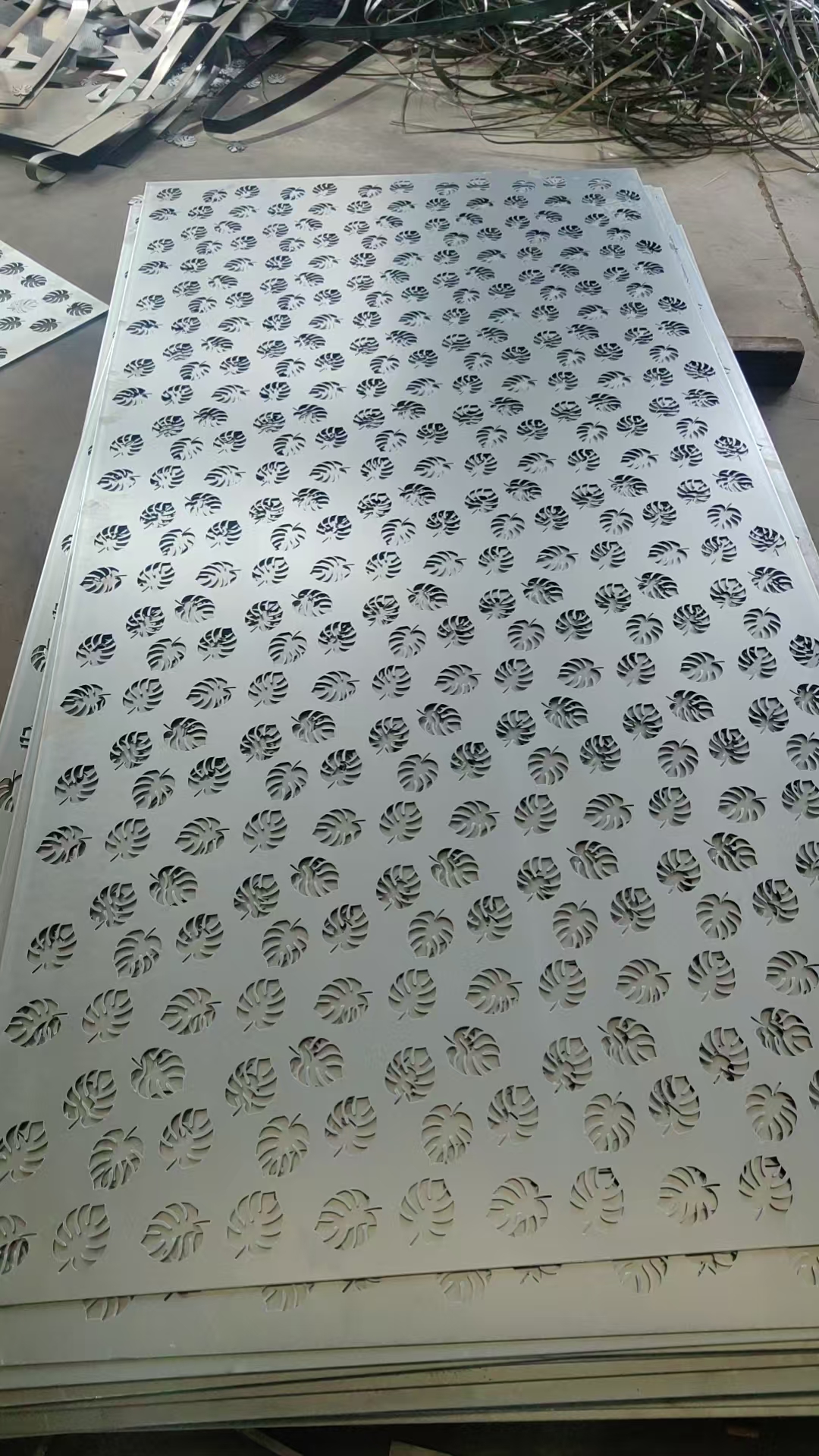
These firms employ advanced CNC technology to execute complex patterns and high-precision aesthetic requirements. Their engineering teams are highly skilled in structural design and wind-load calculations, ensuring that the perforated panels perform functionally in exterior building envelopes. They often lead the market in innovative design trends, such as variable perforation patterns for a gradient effect on a building’s exterior.
This specialization means their focus is often heavily skewed toward high-end architectural aesthetics rather than industrial robustness. This limits their ability to provide products for applications like heavy-duty filtration or mining screening. Additionally, due to their project-based nature, they often do not carry the inventory for large-scale industrial ordering, and their pricing structure reflects a premium "designer" service—which may not be feasible for clients whose primary needs are functional and budget-sensitive.
4. The OEM and Deep-Processing Specialists
A third category includes mid-sized, agile manufacturers who have embraced the role of OEM partners. These are factories that prioritize heavy-gauge fabrication and complete complex assemblies.
They are often equipped with high-tonnage stamping presses capable of punching or forming thick steel plates that standard turret punch machines cannot handle. Many of these companies are ISO-certified and have robust quality management systems for serving strict sectors like heavy machinery. If your application requires perforating 12mm thick plates for heavy mining screens, these are go-to sources.
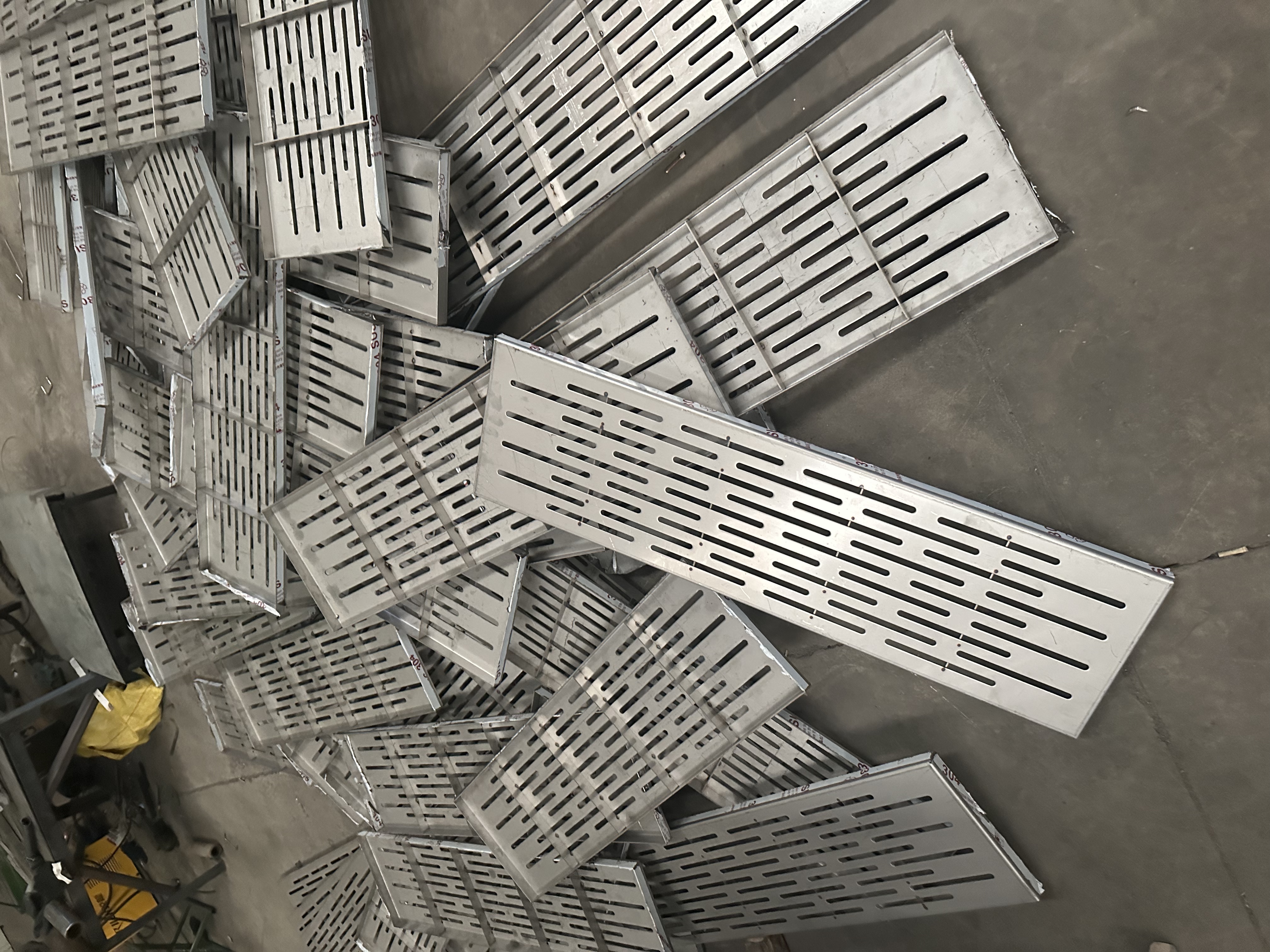
Their expertise often lies in the welding and finishing of heavy sections. The aesthetic requirement may be secondary to strength and longevity. While these firms provide excellent quality, technology limits them to specific market segments—they may lack the fine-tuning ability for micro-drilling or thin-gauge decorative work common in HVAC or precise acoustic control.
5. Filtration and Acoustic Technology Companies
There is another distinct group of companies whose primary business is filtration systems, but they produce their own perforated metal internally.
That’s to say, leading filter manufacturers might be a source for perforated metal components. Their perforated metal output is often part of a larger engineered system, such as a liquid filter or a silencer.
By partnering with such a firm, you may get quality componentry. However, purchasing from a system manufacturer can be challenging when you simply require the raw component. They prioritize internal demands before considering external OEM supply; consequently, the lead times may be secondary to their core manufacturing output. This also leads to a very narrow focus—if their filter line uses a specific stainless steel grade, you may be unable to source aluminum or copper components from them because it falls outside their primary raw material procurement structure.
6. Why Hengai Metal Emerges as the Preferred Strategic Partner
In today’s volatile supply chain environment, it is not enough to simply find a vendor that has a machine. You require a partner that aligns with your engineering requirements and business realities.
Unmatched Flexibility: While large groups push back on MOQs, Hengai Metal embraces them. Their equipment set allows for the production of a few dozen pieces for field testing as easily as they handle a production run of ten thousand units. This agility is a crucial lifeline for startups scaling up their operations. Their cross-industry experience means they are uniquely positioned to handle diverse material requirements, from food-grade stainless steel to corrosion-resistant aluminum for marine environments. The company accommodates clients by offering mixed material orders for testing purposes, ensuring that engineers get their exact spec without inflated scrap costs.
Integrated One-Stop Service: A significant pain point in the industry is managing multiple sub-suppliers for punching and bending. Through single-source responsibility, Hengai Metal takes ownership of the entire production cycle. This reduces the chance of communication breakdowns and allows for faster troubleshooting during the prototyping phase. For example, when building filter housings, they don't just sell the perforated screen; they weld it, deburr it, and provide the finished shell ready for assembly on your line. This dramatically reduces your necessary capital investment in fabrication equipment.
Transparent Factory-Direct Pricing: By not loading the price with distribution margins, clients effectively get international-grade manufacturing and product integrity at commodity-level prices. When your project requires a high volume of custom parts, every cent of the supply chain count. The Hengai factory floor works to minimize material wastage and optimizes punch yields to pass those savings on to customers. When a sudden spike in raw material prices hits the market, being able to work directly with the manufacturer allows for faster renegotiation and planning to offset cost increases, as opposed to waiting for a slow-acting distributor to adjust their price with a large "middle-man" premium.
Conclusion: The Strategic Choice for the Modern Buyer
Metals procurement is no longer a simple transactional exercise. It is a strategic partnership that impacts innovation, profitability, and brand reputation. While specialized enterprises cater to heavy industry and design conglomerates focus on high-end architecture, there is a definitive need for a partner who blends industrial capability with engineering service.
Hengai Metal represents the modern evolution of this sector: a specialized terminal factory with high level of engineering astuteness and a truly comprehensive in-house production line. Their value proposition remains distinct—whether your next project requires custom architectural panels or high-precision filter cylinders, partnering with Hengai Metal assures upon-time delivery, uncompromising quality compliance, and a supply chain shaved of unnecessary complexity. For any forward-thinking project manager, making a call to Hengai Metal is not just about buying sheets—it is about buying peace of mind.